
Goeppertia loeseneri
Goeppertia loeseneri (J. F. Macbr.) Borchs. & S. Suárez
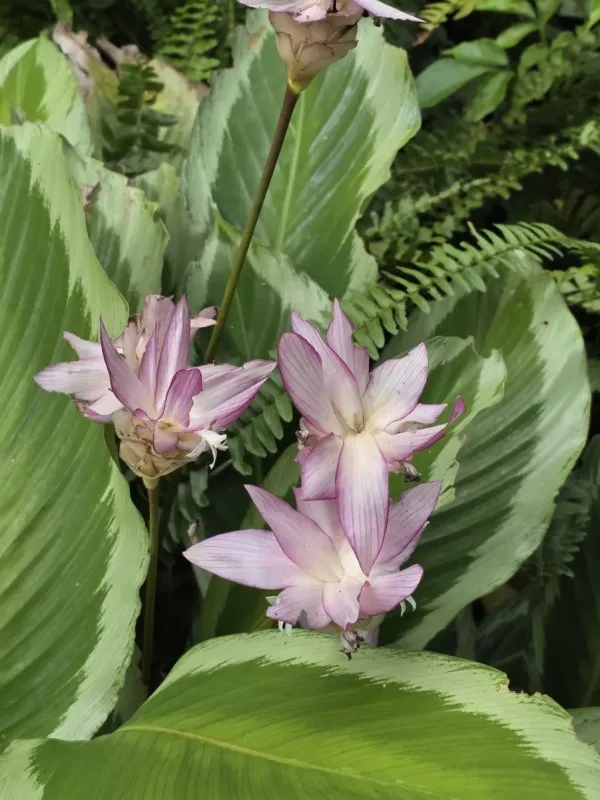
Description
Growing requirements
Goeppertia loeseneri is an herbaceous perennial belonging to the Marantaceae family. Originating from the tropical rainforests of Peru and Ecuador, it thrives in warm, humid environments with stable temperatures throughout the year.
The cultivation of this plant requires a specific microclimate that mimics its native habitat. It prefers bright, indirect light; direct sunlight can scorch the foliage and cause the leaves to lose their vivid patterns, diminishing their ornamental value.
Soil requirements for Goeppertia loeseneri involve a loose, well-draining substrate rich in organic matter. A peat-based mix with added perlite or bark is generally recommended to provide the necessary aeration for the root system while retaining moderate moisture.
High humidity is essential for the healthy growth of this species. Humidity levels should ideally be maintained above 70%. In indoor settings, this is often achieved through regular misting, the use of pebble trays, or automatic humidification systems.
Temperature management is crucial, as the plant does not tolerate cold drafts or temperatures below 15°C. Consistent thermal conditions promote steady growth and support the production of its unique, white to pale-pink bracts.
Main diseases and pests
Pest infestations, particularly spider mites and mealybugs, are common threats to Goeppertia loeseneri. These pests thrive in dry environments and can quickly colonize the undersides of leaves, leading to stunted growth.
Fungal diseases are another major concern, often triggered by overwatering and poor air circulation. Root rot is a common outcome of waterlogged soil, which can rapidly damage the plant's vascular system.
To prevent disease, it is vital to avoid wetting the foliage excessively and to ensure that the potting medium dries slightly between waterings. Proper sanitation and the removal of dead or decaying plant material are key preventive steps.
If an infestation occurs, horticultural oils or systemic insecticides can be used to manage pest populations. It is important to treat all parts of the plant, especially the leaf axils, to ensure full eradication.
Monitoring for signs of stress, such as leaf yellowing or brown crispy edges, allows for early intervention. Adjusting environmental factors often helps resolve these issues before they escalate into severe infections.