
Mountain clematis
Clematis aristata R. Br. ex Ker Gawl.
Description
Growing requirements
Clematis aristata, commonly known as mountain clematis, is an evergreen woody vine belonging to the Ranunculaceae family. It is endemic to the coastal and highland forest regions of Eastern Australia.
To cultivate this species effectively, one must provide well-drained, nutrient-rich soils with a neutral pH level. The plant thrives in semi-shaded environments, avoiding exposure to intense midday sun which can scorch the delicate foliage.
The climate requirements include consistent moisture and protection from extreme frost. While it is a vigorous grower in its native range, supplemental irrigation is crucial during dry periods to maintain the health and aesthetic appeal of the vine.
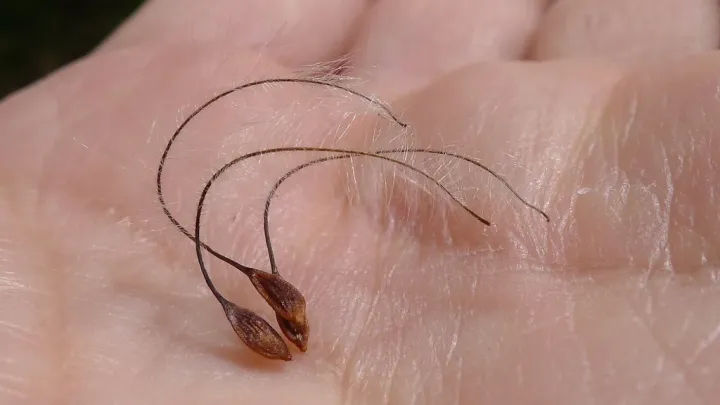
Botanically, it is distinguished by its opposite, often trifoliate leaves and creamy-white, star-shaped flowers. The seeds are notably plumose, appearing as feathery clusters that facilitate wind dispersal once the flowering season concludes.
In terms of agricultural and horticultural use, it is a prized ornamental for vertical landscaping. Professional management requires sturdy structural supports and periodic pruning to prevent the vine from becoming overly tangled and to promote denser vegetative growth.
Main diseases and pests
Common pests affecting this vine include aphids and spider mites, which can proliferate on young growth. Integrated pest management strategies, such as physical removal or mild horticultural soaps, are recommended for control.
Fungal diseases, including powdery mildew and root rot, often occur due to poor drainage or inadequate spacing. Ensuring optimal airflow around the foliage and avoiding overhead watering significantly reduces the risk of these common infections.