
Giant bellflower
Campanula latifolia L.
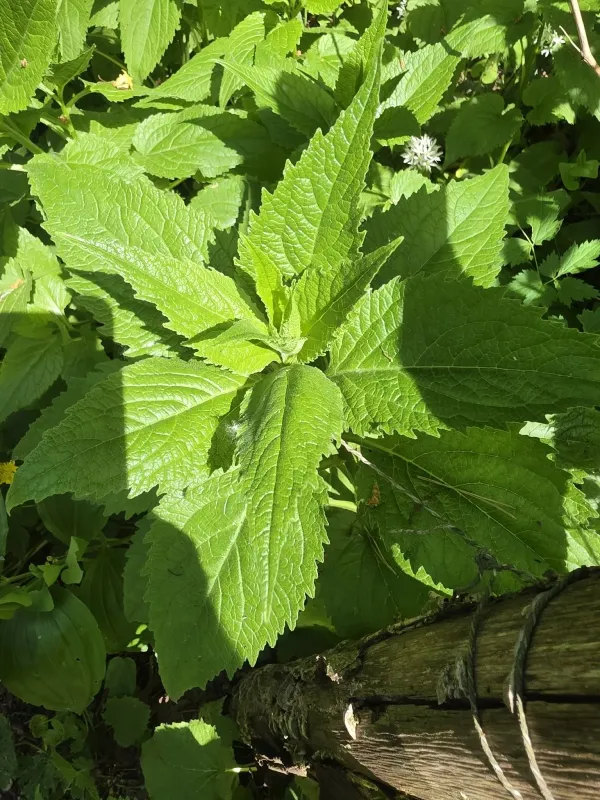
Description
Sowing dates
Giant bellflower, known scientifically as Campanula latifolia, belongs to the Campanulaceae family. It is a robust perennial often grown from seeds sown directly into the soil.
Sowing seeds in late autumn is a standard practice, as the seeds benefit from cold stratification during the winter months, leading to better germination rates in spring.
If starting seeds indoors in early spring, they must be chilled in a refrigerator for several weeks to mimic natural winter conditions, ensuring a successful start for the seedlings.
The seeds are very fine and should be surface-sown on moist, well-draining soil, with only a light dusting of medium to keep them in place without blocking out light.
Once seedlings have developed their first true leaves, they should be pricked out and moved to individual pots before being transplanted into their final location in the garden.
Growing requirements
Campanula latifolia thrives best in partial shade, mimicking its natural woodland habitat, although it can tolerate brighter light if provided with consistent moisture.
The ideal soil for this species is rich in organic matter, moist, and well-drained, with a neutral to slightly alkaline pH level for optimal nutrient uptake.
Adequate soil structure is essential, as the plant dislikes heavy, waterlogged soils which can lead to root rot during the dormant season or excessive rain periods.
Mulching the base of the plant is recommended to retain soil moisture and regulate ground temperature, which is beneficial for the healthy development of the root system.
The plant is highly frost-hardy and requires no special winter protection, making it an excellent choice for temperate climate gardens across various geographical regions.
Main diseases and pests
Powdery mildew is a common fungal issue that can affect the foliage, especially in humid conditions or when plants are spaced too closely, reducing airflow.
Root rot is a significant threat if the soil remains excessively wet; therefore, maintaining proper site drainage is the primary method of preventing this disease.
Slugs and snails are the most frequent pests, particularly in spring, as they are attracted to the succulent, emerging growth of the young bellflower plants.
Aphids or spittlebugs may occasionally inhabit the stems, draining plant energy and potentially causing distorted growth if infestations are left unchecked by gardeners.
Managing threats involves regular garden inspection, using physical barriers against mollusks, and applying appropriate fungicidal treatments if disease symptoms appear.
Harvesting
For ornamental use, the flowering stems should be harvested when the lower blossoms are fully opened, ensuring the stems are cut cleanly at the base for longevity.
Seed collection is performed once the capsules turn brown and dry; they should be harvested promptly before the capsules split open to scatter the seeds naturally.
After collection, the seeds should be dried in a dark, airy place before being cleaned of debris and stored in breathable paper packets for future planting seasons.
At the end of the season, cutting the foliage down to ground level is a recommended cultural practice to stimulate vigorous growth in the following year.
This pruning also serves to prevent unwanted self-seeding, ensuring the giant bellflower remains within its designated borders in the garden design.