
Cambridge geranium
Geranium x cantabrigiense Yeo
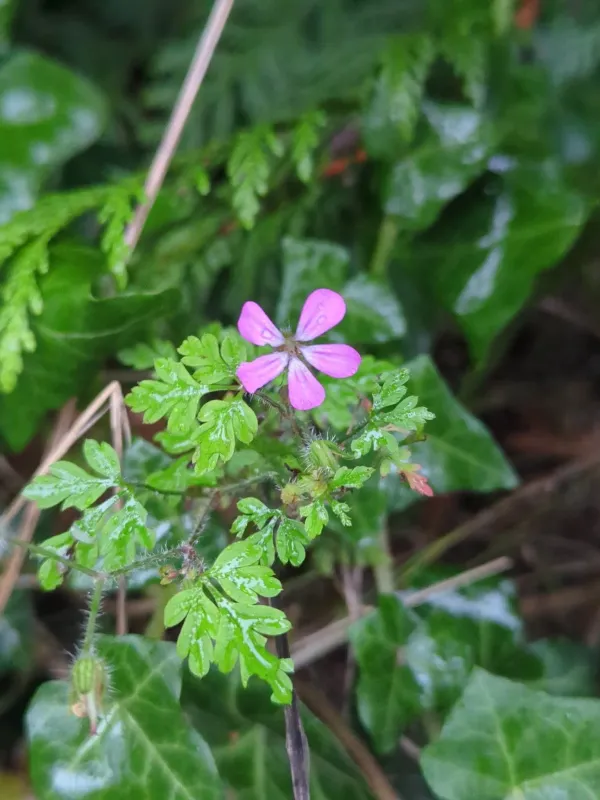
Description
Growing requirements
Cambridge geranium (Geranium x cantabrigiense) is a robust perennial belonging to the Geraniaceae family. It is a sterile hybrid known for its low-growing, spreading habit that creates an excellent ground cover.
The plant thrives in both full sun and partial shade environments. In sunnier exposures, it requires consistent moisture to maintain the lush green foliage throughout the summer heat.
Regarding soil, it is highly adaptable, preferring well-drained, fertile soil but tolerating poorer conditions once established. It is an ideal plant for covering large areas, effectively suppressing weed growth through its dense root system.
Cultivation practices include regular weeding during the first season and occasional division of the clumps every 3 to 4 years to maintain plant vigor. The foliage remains semi-evergreen in many climates.
This plant is widely used in residential and public landscapes for edging, rock gardens, and filling gaps between shrubs, where its uniform height and attractive flowers provide a cohesive look.
Main diseases and pests
The Cambridge geranium is highly valued in horticulture due to its natural resistance to most common plant diseases and pests.
The primary concern is root rot, which typically occurs only in waterlogged soils with poor drainage capacity.
Insects like aphids or mites may occasionally infest the foliage during periods of extreme drought, but they rarely impact the plant's health significantly.
Good cultural practices, such as proper spacing for air circulation, are the best defense against fungal issues like powdery mildew.
If necessary, manual removal of affected foliage is usually sufficient to manage minor pest outbreaks without chemical intervention.