
Antipodean cranesbill
Geranium x antipodeum Yeo
Description
Growing requirements
The Antipodean cranesbill (Geranium x antipodeum) is a perennial herbaceous plant belonging to the Geraniaceae family. Its genetic heritage, stemming from New Zealand species, gives it a unique set of traits suited for temperate garden environments.
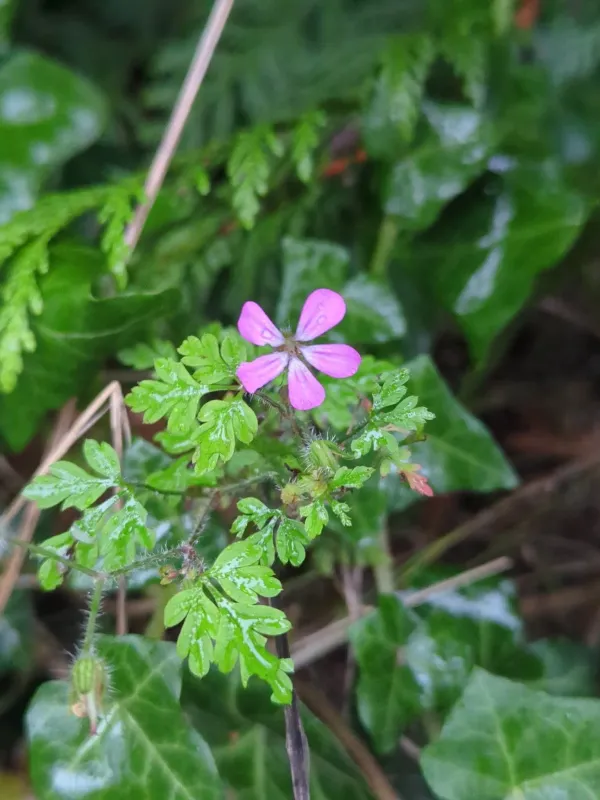
The plant exhibits a compact, mounding growth habit, characterized by deeply dissected foliage. Its structural integrity allows it to serve as a reliable groundcover in various horticultural applications, maintaining its visual appeal throughout the growing season.
Agronomically, this species requires well-draining soil with neutral pH to thrive. It is particularly sensitive to waterlogged conditions, which can lead to rapid decline; thus, light, loamy soil amended with organic matter is ideal for ensuring optimal root development.
When selecting a planting site, dappled shade or partial sun is preferred. While the plant can tolerate exposure to sunlight, it demands sufficient moisture in hotter climates to prevent leaf scorch and ensure continuous metabolic activity.
Climate tolerance for this plant is best described as moderate. It performs exceptionally well in regions characterized by cool to mild temperatures. In regions with harsh winters, a layer of mulch is recommended to protect the crown from frost heaving and severe cold.
Main diseases and pests
Powdery mildew is the most prevalent fungal pathogen affecting this crop. It typically appears during periods of high humidity and poor air circulation, manifesting as a dusty white coating on the leaves and eventually causing yellowing.
Root rot remains the primary threat caused by improper water management. Constant saturation prevents the roots from accessing oxygen, leading to necrosis. Improving soil drainage is the most effective long-term preventative measure.
Aphids and leaf-feeding insects can cause damage during the spring growth flush. These pests congregate on the undersides of leaves or tender shoot tips, often requiring manual removal or the application of insecticidal soaps to maintain plant health.
Gastropods, particularly slugs, can inflict significant damage on the foliage in damp conditions. Creating barriers or using organic molluscicides is often necessary during the rainy parts of the growing season to preserve the aesthetic quality of the crop.
Viral pathogens may also affect the plant, often transmitted by sap-sucking insects. Monitoring for symptoms such as chlorotic spotting or stunted growth is crucial, and infected plants should be promptly culled to prevent spread.