
Wallich's geranium
Geranium wallichianum D. Don ex Sweet
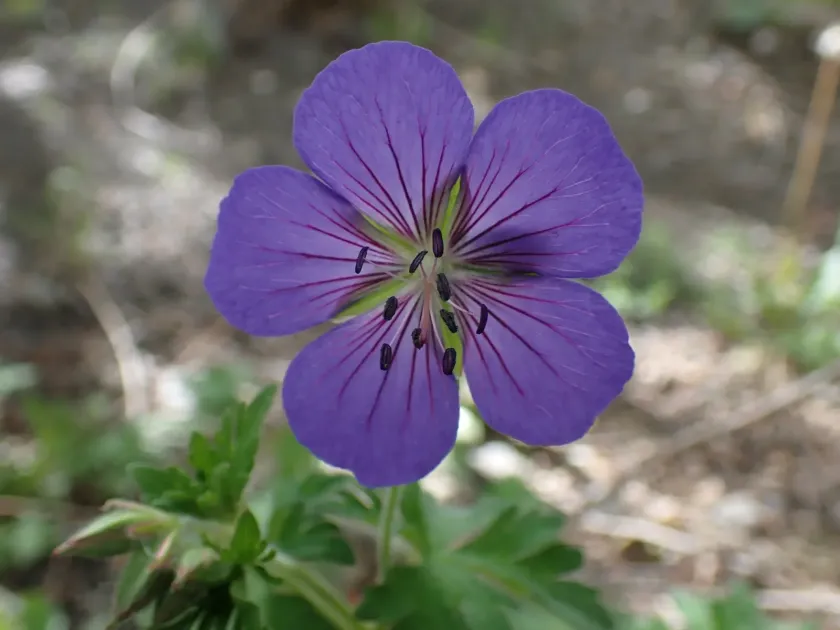
Description
Sowing dates
Sowing seeds of Wallich's geranium is typically performed in late autumn or early spring. Given the tough seed coat, scarification or pre-chilling through stratification is highly recommended to improve germination rates significantly.
Seeds should be sown in a well-draining, loose substrate at a depth of approximately 0.5–1 cm. Containers should be kept in a cool but frost-free environment until emergence, which usually occurs within a few weeks.
Stratification in a refrigerated environment for about a month mimics natural winter conditions, effectively breaking seed dormancy and promoting more uniform and vigorous seedlings.
Seedlings should be pricked out when they develop their first set of true leaves. Handling the young plants carefully ensures the delicate root system remains intact during the transfer to individual pots.
Transplanting into the garden is best done once all risk of frost has passed. Planting in groups provides better ground coverage and improves the aesthetic value of the planting site.
Growing requirements
Wallich's geranium is a member of the Geraniaceae family, naturally occurring in the Himalayan regions. As a result, the plant thrives best in cool, temperate climates and requires a sheltered location.
The plant prefers dappled shade or partial light conditions. Excessive exposure to direct, scorching afternoon sun can damage foliage and shorten the duration of the blooming period.
Soil requirements include high organic content, fertility, and excellent drainage. The species does not tolerate waterlogged conditions, making well-aerated soil a critical factor for long-term health.
Consistent moisture is essential during the growing season. While the plant appreciates regular watering, it is vital to ensure the soil surface dries slightly between irrigation cycles to prevent root rot.
Applying a layer of organic mulch around the plant base helps maintain steady soil temperature and preserves moisture, which is particularly beneficial during the transition into warmer summer months.
Main diseases and pests
The primary threats to Wallich's geranium include fungal infections like powdery mildew, especially in locations with poor air circulation or consistently high humidity levels during the summer.
Insect pests such as aphids and spider mites can infest the foliage, particularly during dry spells. These pests weaken the plant by feeding on the sap, which can lead to stunted growth if left unmanaged.
Integrated pest management is recommended, starting with cultural practices like proper spacing and hygiene, followed by targeted application of soaps or insecticidal oils if pests are detected.
Root rot is a significant danger if the soil is too heavy or water drainage is inadequate. Proper site selection and soil amendments are the most effective preventive measures against this disease.
Monitoring the health of the leaves regularly allows for quick intervention. Removing affected parts of the plant immediately can help contain localized outbreaks of disease or pest infestations.