
Oxford geranium
Geranium traversii x Geranium oxonianum
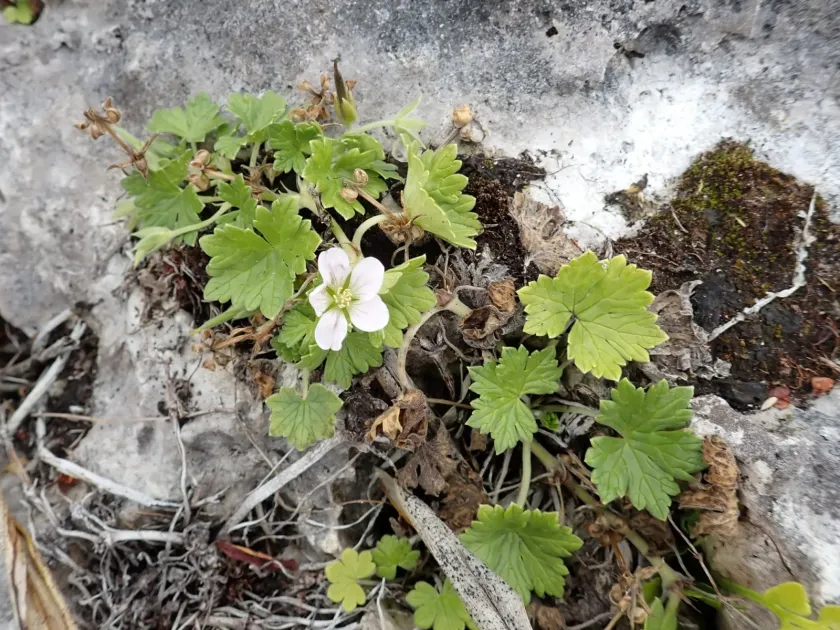
Description
Growing requirements
The Oxford geranium, scientifically known as Geranium oxonianum, is a robust hybrid perennial belonging to the Geraniaceae family. It is prized by gardeners for its long flowering period and its ability to spread effectively as a weed-suppressing groundcover.
This species thrives in a wide range of conditions, preferring well-drained, fertile soils. While it exhibits great performance in full sun, it is equally resilient in partial shade, making it a versatile choice for various garden positions, including borders and woodland settings.
Water requirements are moderate, though the plant benefits from consistent moisture during the establishment phase and peak summer heat. It is relatively drought-tolerant once established, owing to its deep and effective root system that supports long-term survival.
The cultural practice involves trimming the foliage after the first flush of flowers to encourage a second blooming period and maintain a compact, tidy appearance. It is easily propagated through division in spring or autumn, ensuring that new plants retain the characteristics of the parent.
In landscaping, this plant serves as an excellent filler, softening hard edges of stone paths and creating seamless transitions in mixed borders. Its low-maintenance nature makes it ideal for modern garden designs that require year-round visual appeal with minimal human intervention.
Main diseases and pests
Geranium oxonianum is generally resistant to most pests and diseases, though it can occasionally suffer from powdery mildew if planted in overcrowded conditions with poor air circulation.
To mitigate the risk of fungal infections, it is recommended to provide adequate spacing between plants and avoid overhead irrigation during the evenings. Ensuring the soil has good drainage prevents root rot during periods of prolonged rainfall.
Pests such as aphids or spider mites may occasionally colonize the foliage during hot and dry spells. A simple spray of water or horticultural soap is often sufficient to manage small outbreaks without the need for systemic pesticides.
Slugs and snails can target young shoots in early spring, especially in wet climates. Implementing physical barriers or organic bait can effectively protect the plants during their most vulnerable growth stage.
Maintaining garden hygiene by removing debris and decaying foliage around the base of the plant significantly reduces the habitat for potential pathogens and overwintering pests, promoting overall plant health.