
Thunberg's geranium
Geranium thunbergii Siebold ex Lindl. & Paxton
Description
Growing requirements
Thunberg's geranium (Geranium thunbergii) is a herbaceous perennial plant belonging to the Geraniaceae family. Native to East Asia, including Japan and China, this species is commonly found in grasslands, along forest edges, and in mountain meadows.
The crop thrives in well-drained, moderately fertile soils with a slightly acidic to neutral pH. It prefers sunny locations but demonstrates excellent adaptation to partial shade, making it a versatile choice for various garden settings and naturalized landscapes.
Climatic requirements are centered around a temperate growing season. The plant is hardy enough to survive cold winters, provided the soil drainage is sufficient to prevent frost-heaving and root waterlogging during freezing temperatures.
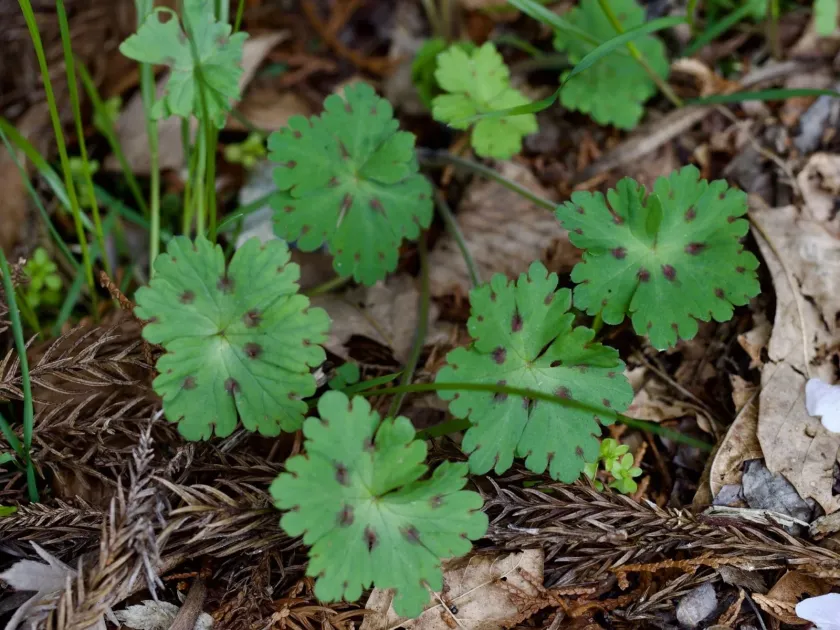
Botanically, it is characterized by its branched stem and distinctive palmate leaves. Its flowers, typically small and delicately colored, provide a long-lasting bloom period which is highly valued for both aesthetic purposes and ecological support for pollinators.
Basic cultivation practices involve keeping the soil loose and free of competitive weeds. Fertilizing with balanced compost during early spring supports vegetative growth, while careful watering during dry spells ensures the plant maintains its vigor throughout the summer.
Main diseases and pests
Powdery mildew is the most common fungal disease affecting Geranium thunbergii, particularly when humidity levels remain high for extended periods. Proper air circulation is the best preventive measure to keep the foliage healthy and resistant.
Pests like aphids and spider mites can infest the undersides of the leaves. Regular inspection of the canopy and the use of insecticidal soap or neem oil are effective ways to manage populations without disrupting the local ecosystem.
Root rot is a critical threat caused by overwatering or poorly draining soil. To mitigate this risk, growers should ensure that the planting site has sufficient organic matter and grit to facilitate rapid water runoff away from the root zone.
Leaf spots, often caused by fungal pathogens, may appear during wet and cool seasons. Removing affected plant parts and ensuring the soil surface remains relatively dry between waterings helps to control the spread of these pathogens.
Integrated pest management (IPM) is highly recommended for maintaining a healthy crop. By combining cultural practices like sanitation and proper spacing with targeted biological controls, one can maintain a robust and thriving geranium population.