
Geranium subcaulescens
Geranium subcaulescens L’Hér. ex DC.
Description
Sowing dates
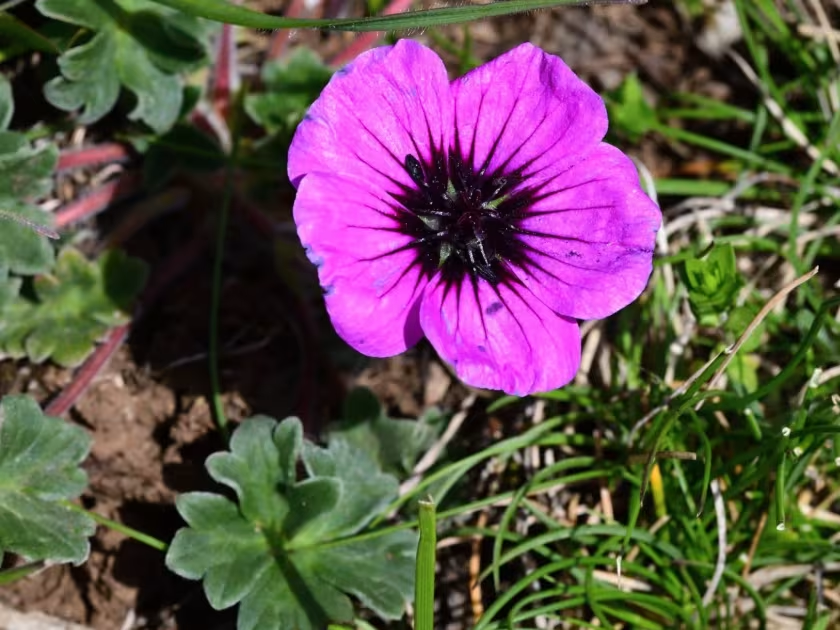
Geranium subcaulescens is a distinguished member of the Geraniaceae family, known for its vibrant magenta-purple flowers and compact growth habit.
Propagation is typically performed via seeds in the early spring, requiring cold stratification to break dormancy and ensure uniform germination.
Seeds should be sown in a well-drained, sterile potting mix and kept in a cool, bright location until they establish a strong root system.
When sowing outdoors, it is essential to prepare a weed-free seedbed to allow the delicate young plants to compete successfully during the initial stages.
Division of mature, well-established clumps can also be performed in the autumn, providing a quick way to multiply the population in a garden setting.
Growing requirements
Native to the mountainous regions of the Balkans, this species is well-adapted to rocky, poor soils and open, alpine conditions.
The ideal site should provide full sun to partial shade, ensuring the plant receives at least six hours of direct light daily for maximum blooming.
Soil drainage is critical; the plant thrives in gritty, neutral-to-acidic soils that mimic its natural habitat in rocky scree slopes.
While relatively drought-tolerant once established, regular irrigation during dry summer periods will maintain the plant's health and aesthetic appeal.
Minimal fertilization is required, as excessive nutrients can result in lush foliage growth at the expense of flower production.
Main diseases and pests
The primary threats to this cultivar include fungal pathogens, particularly when the root zone is subjected to prolonged waterlogging.
Powdery mildew may manifest during seasons with high humidity, appearing as white patches on the foliage and reducing photosynthetic efficiency.
Root rot is a major risk, often resulting from poor soil aeration and improper watering practices during the transition between seasons.
Pests such as aphids and spider mites can occasionaly infest the plant, requiring vigilant monitoring and timely intervention to prevent damage.
Integrated pest management strategies, including the removal of infected parts and the use of targeted applications, are recommended for control.