
Shikoku-Wallich geranium
Geranium shikokianum x Geranium wallichianum
Description
Growing requirements
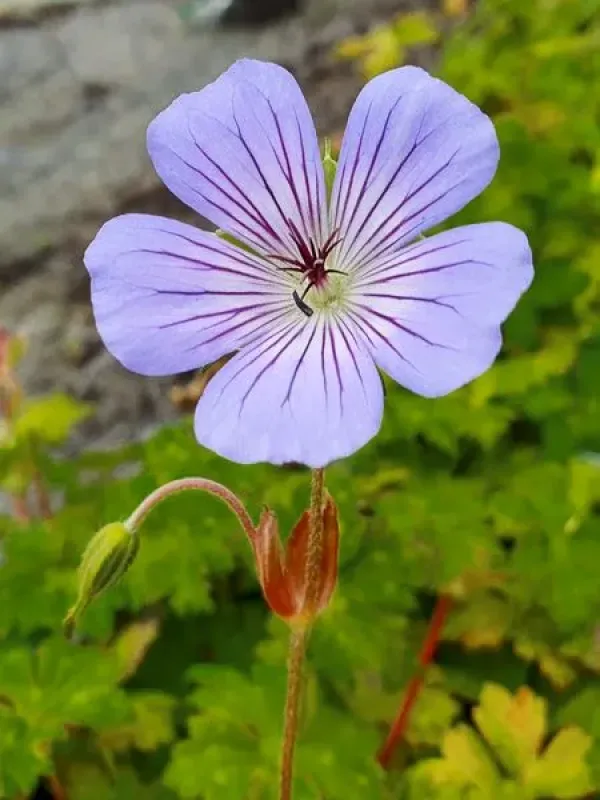
The Shikoku-Wallich geranium is a sophisticated hybrid belonging to the Geraniaceae family. As a result of crossing Geranium shikokianum and Geranium wallichianum, this plant exhibits the desirable traits of extended flowering periods and high vigor, making it a staple in modern botanical gardens.
The crop thrives in temperate climates with well-drained, nutrient-rich soil. It is essential to maintain soil moisture consistency without allowing saturation, as the root system is sensitive to prolonged anaerobic conditions. Incorporation of well-rotted compost into the planting hole significantly improves the development of the plant.
Regarding light exposure, this hybrid prefers partial shade to filtered sunlight. While it can adapt to various conditions, protection from harsh, direct midday sun is crucial to prevent leaf scorching and to maintain the deep, attractive coloration of the foliage during the mid-summer months.
Agronomic management involves periodic deadheading to encourage repeat flowering and structural pruning in early spring to remove winter-damaged stems. Mulching the base of the plant with organic material serves both to suppress weed growth and to regulate soil temperature in erratic weather conditions.
The economic and aesthetic value of this geranium lies in its versatility within landscaping. It is widely used for ground cover, in herbaceous borders, and as a component of woodland gardens. Its ability to form dense, low-growing mats makes it an efficient solution for soil erosion control on slopes.
Main diseases and pests
Fungal pathogens such as Botrytis cinerea can pose a risk during periods of high humidity and poor airflow. Managing plant density and ensuring sufficient spacing between individuals is the most effective cultural method to reduce the humidity levels that favor fungal development.
Powdery mildew is another frequent issue, particularly in late summer when diurnal temperature swings are prominent. Application of systemic fungicides or potassium bicarbonate solutions during the early stages of infection can mitigate damage and restore the health of the plant's foliage.
Sap-sucking insects like aphids can cluster on developing buds and tender growth, affecting the plant's overall vigor. Regular monitoring and the use of targeted biological controls, such as ladybugs or insecticidal soaps, help keep populations below the economic damage threshold.
Root rot, often caused by Pythium or Phytophthora species, is linked to poor soil drainage. Agronomists recommend verifying soil structure before planting and ensuring the site is elevated or properly graded to prevent standing water during heavy rainfall events.
Nematode infestations can weaken the root system, leading to stunted growth. To prevent this, avoid planting in areas where infected host plants were previously grown and use only certified, disease-free nursery stock to maintain the health of the plantation.