
Geranium shikokianum
Geranium shikokianum Matsum.
Description
Growing requirements
Geranium shikokianum is a perennial herbaceous plant belonging to the Geraniaceae family. It is native to the mountainous regions of Japan, particularly the Shikoku Island, where it naturally thrives in cool, shaded environments.
The culture requires specific environmental conditions, favoring semi-shaded locations with protection from intense afternoon sunlight. Ideal sites for cultivation include alpine gardens or areas beneath a light canopy, simulating its natural habitat.
Soil requirements focus on high organic content, loose structure, and excellent drainage. The plant prefers neutral to slightly acidic soil conditions and cannot tolerate prolonged waterlogging, which often leads to root rot issues.
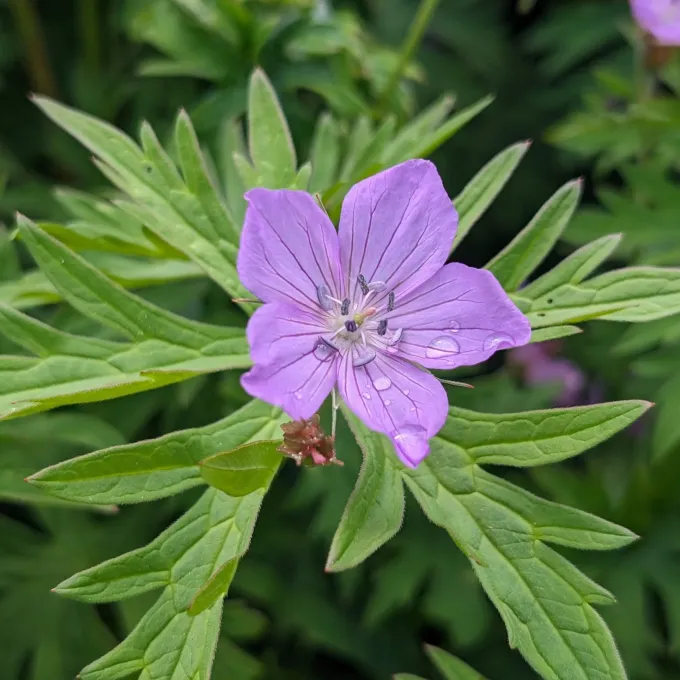
Botanically, the species is distinguished by its compact habit and deeply lobed leaves, often exhibiting distinct patterns. Its flowers, typically in shades of pink to purple, appear during the growing season and add significant ornamental value to garden borders.
Cultivation practices emphasize consistent moisture management and proper winter protection. While it is naturally cold-hardy due to its mountain origin, applying a layer of organic mulch in late autumn helps insulate the root system during harsh winter months.
Main diseases and pests
The primary threats to Geranium shikokianum include various fungal pathogens. Under conditions of high humidity and poor air circulation, plants may become susceptible to powdery mildew or gray mold (botrytis).
Pests that occasionally affect this species include aphids and spider mites, particularly during periods of heat stress or dry weather. These insects target the new growth and flower buds, potentially reducing the plant's aesthetic appeal.
Preventive measures include maintaining proper plant spacing to ensure airflow, avoiding overhead watering during evening hours, and practicing general sanitation by removing dead foliage.
In cases of severe infestation or infection, targeted application of appropriate fungicides or insecticides is recommended. Integrated pest management strategies, such as promoting natural predators, are also highly effective.
Monitoring for signs of stress, such as yellowing or wilting leaves, is essential for identifying issues before they reach an epidemic level, ensuring the longevity and health of the plantings.