
Geranium sessiliflorum
Geranium sessiliflorum Cav.
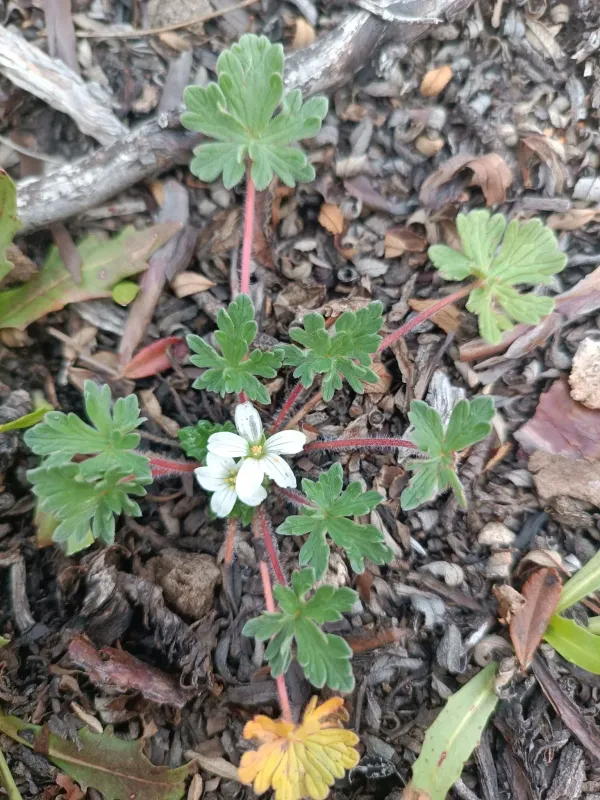
Description
Sowing dates
Geranium sessiliflorum is typically propagated via seeds sown in spring. Seed stratification for a few weeks before sowing can significantly improve germination rates, mimicking natural alpine conditions.
Sow seeds into a well-draining seed mix and keep them at a temperature of around 15–20°C. Light is beneficial for germination, so seeds should be covered only very thinly with fine grit or sand.
Vegetative propagation by division is another common method. It is best performed in early spring or late autumn when the plant is not in its peak growth phase, ensuring roots remain moist during the transition.
Prepare the planting site by clearing debris and incorporating organic matter if the soil is excessively sandy. Proper spacing of approximately 25 cm allows the plants to form a dense, mat-like growth habit.
Once established, the plant spreads slowly, creating a tight rosette cover. This density helps naturally suppress weed germination, reducing the long-term maintenance requirements of the flower bed.
Growing requirements
Belonging to the Geraniaceae family, Geranium sessiliflorum is a low-growing perennial native to the mountainous regions of New Zealand. It is prized for its rosettes of foliage and small, stemless flowers.
The species thrives in full sun to partial shade. In regions with extremely hot summers, some afternoon shade is essential to prevent leaf scorch and maintain the plant's vibrant green or bronze coloration.
Soil should be lean, gritty, and exceptionally well-drained. Like many alpine plants, it will not tolerate "wet feet" and may suffer root rot if planted in heavy, water-retentive clays without amendments.
Watering should be consistent but moderate. During the establishment phase, ensure the root ball does not dry out completely; however, once established, the plant becomes reasonably drought-tolerant.
Feeding is rarely required. If growth appears stunted, a light application of a balanced, slow-release fertilizer in early spring is sufficient to support the season's development without promoting excessive foliage.
Main diseases and pests
The primary concern for Geranium sessiliflorum is fungal disease, particularly when air circulation is poor or humidity levels remain high for extended periods. Botrytis and powdery mildew are the most common pathogens.
Root rot caused by Phytophthora or Pythium species is a significant risk in poorly draining soils. Always ensure that the planting site is slightly elevated or amended with gravel to facilitate water movement.
Slugs and snails can be particularly damaging to the low-lying rosettes. Using copper tape barriers or targeted organic slug pellets around the plants can protect them from nocturnal feeding.
Aphids may occasionally colonize the soft, new growth during the spring season. A simple jet of water or the application of insecticidal soap is usually effective in controlling minor infestations.
Effective pest and disease management is based on hygiene. Removing dead leaves and thinning out overly dense patches prevents the buildup of spores and provides enough light for the central parts of the plant.