
Geranium renardii
Geranium renardii Trautv.
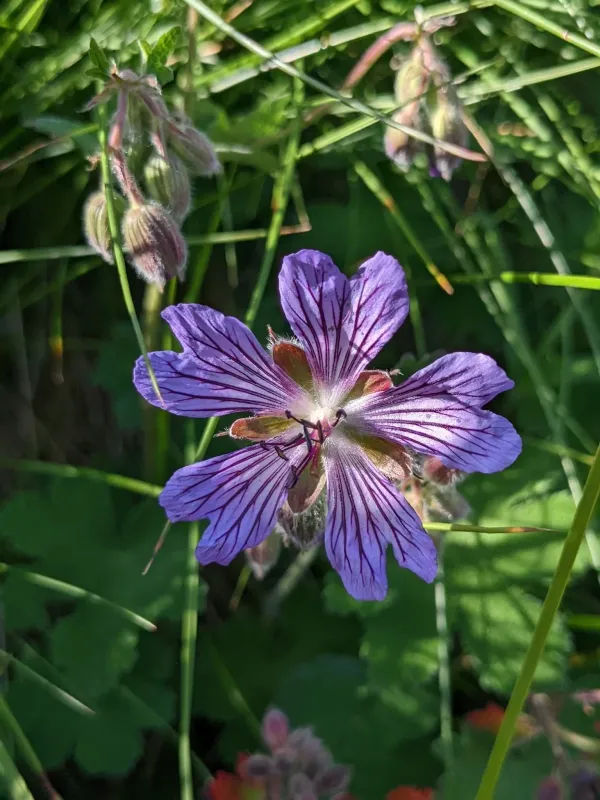
Description
Sowing dates
Geranium renardii is best propagated vegetatively by dividing mature rhizomes. This method ensures that the offspring retain the exact characteristics of the parent plant and establishes them more quickly in a garden setting.
The ideal time for division is early spring or late summer, immediately after the plant has finished flowering. Carefully lifting the plant and dividing the rootstock ensures healthy growth for the new divisions.
Seed propagation is also possible but requires patience. The seeds benefit from a period of cold stratification, which mimics natural winter conditions to break dormancy and improve germination rates significantly.
When starting from seeds, use a well-drained, sandy compost mix. Keep the trays in a cool place, and ensure consistent moisture until the seedlings have developed their true leaves and are ready for transplanting.
Ensure adequate spacing when planting out in the landscape, ideally 30-40 cm apart. This allows for good air circulation around the foliage, which is essential for the long-term health of the plant.
Growing requirements
A member of the Geraniaceae family, Geranium renardii originates from the rocky mountain slopes of the Caucasus. This background makes it an exceptionally hardy perennial that thrives in challenging conditions.
The soil must be well-drained. While the plant can tolerate a range of soil types, it performs best in gritty, moderately fertile soil that prevents water from standing around the roots, as excessive moisture is detrimental.
This species is highly drought-tolerant once established, making it an excellent choice for rock gardens, dry borders, or sunny slopes. It thrives in full sun but will also tolerate partial shade in warmer climates.
Low maintenance is a hallmark of this plant. It requires very little in terms of fertilization, as overly rich soil can lead to lush, floppy foliage rather than the compact, desirable mounded form it is known for.
Its winter hardiness is remarkable, allowing it to survive harsh winter conditions without the need for additional protection. This reliability makes it a staple for low-maintenance perennial landscaping projects.
Main diseases and pests
Geranium renardii is notably resistant to most common garden pests and diseases. Its aromatic foliage and specific chemical profile serve as a natural deterrent to many insects that typically plague other garden plants.
The primary concern for this plant is rot, caused by poor soil drainage or excessive humidity around the root system. Proper site selection is the most effective preventative measure against such issues.
In humid conditions or if plants are crowded, powdery mildew may occasionally appear. Providing sufficient space between plants to ensure good airflow is the best cultural practice for managing this risk.
Slugs and snails may occasionally feed on young, tender growth during early spring. Monitoring during wet weather and using barriers or organic control methods can minimize potential damage.
- Root rot (from poor drainage);
- Powdery mildew (in overcrowded or stagnant conditions);
- Slug damage on young foliage.