
Meadow cranesbill
Geranium pratense L. x Geranium psilostemon Ledeb.
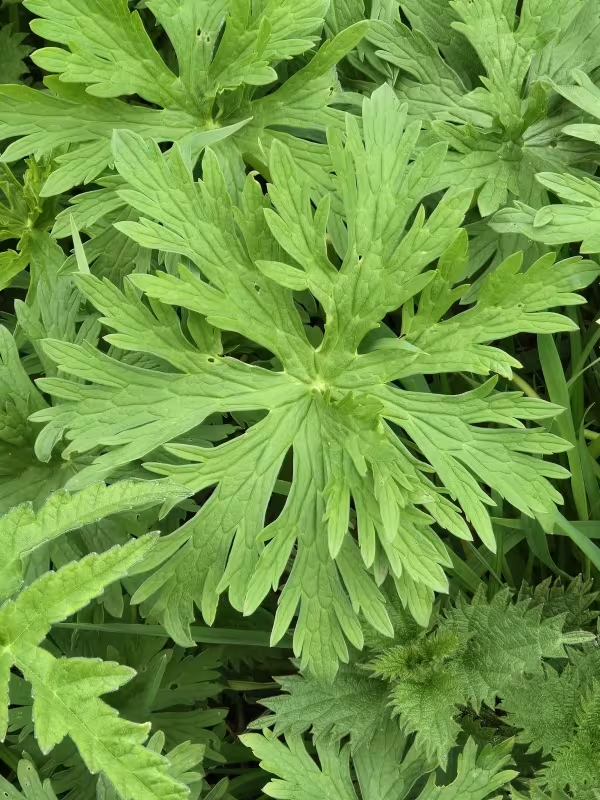
Description
Sowing dates
Meadow cranesbill is a resilient herbaceous perennial belonging to the Geraniaceae family. It is valued both as an ornamental plant and for its various medicinal properties.
Seeds can be sown in late autumn to allow for natural stratification, which significantly improves germination rates in the spring compared to direct spring sowing.
Vegetative propagation is commonly performed by dividing the rhizomes in early spring or autumn. This method ensures that the new plants retain the characteristics of the parent stock.
When establishing a plantation, ensure proper spacing of at least 30 to 45 cm between plants. This prevents overcrowding and allows for better air circulation across the field.
Pre-planting soil preparation should include clearing perennial weeds and incorporating organic matter to improve soil structure and nutrient availability for the growing plants.
Growing requirements
The plant thrives in fertile, well-draining loamy soils with a neutral to slightly acidic pH. It performs poorly in waterlogged soils, which can cause crown and root rot.
While meadow cranesbill prefers full sun, it is tolerant of partial shade, especially in hotter climates where protection from the intense afternoon sun is beneficial.
The species is exceptionally hardy and can withstand low winter temperatures, making it a reliable perennial for various geographic regions without the need for winter protection.
Maintenance involves routine weeding and occasional fertilization with balanced NPK fertilizers during the early vegetative stage to boost leaf and flower production.
Adequate moisture is essential during the establishment phase, but once mature, the plant displays moderate drought tolerance, provided the soil is deep enough for its roots.
Yield
Productivity peaks in the third year after establishment. Yields of herbal material are typically harvested during the period of peak flowering to ensure maximum potency.
When grown for commercial harvesting, the aerial parts are cut, dried, and processed. The yield of dry matter is generally determined by the density of the planting.
Beyond traditional harvesting, the plant provides secondary value as a significant nectar source for pollinators, supporting biodiversity in surrounding agricultural landscapes.
Regular harvesting of flowering stems helps in managing the life cycle of the plantation, preventing excessive self-seeding and maintaining plant vigor over many seasons.
The longevity of a meadow cranesbill stand is high; with proper care, plantations can remain productive for up to 7–10 years before requiring replanting or rejuvenation.
Main diseases and pests
Powdery mildew is the most common fungal issue, particularly in humid, still-air environments. Proper spacing remains the primary method of preventing this infection.
Leaf spots caused by various fungi can occur if moisture persists on the foliage. Ensuring good drainage and avoiding overhead irrigation can mitigate these risks effectively.
Aphids and mites are occasional pests that target young, succulent growth during dry spells, which may require monitoring and potential treatment with biological insecticides.
Root damage by larvae such as wireworms can stress the plant. Proper soil cultivation and crop rotation are recommended practices to minimize the presence of soil-borne pests.
- Maintain spacing for optimal airflow.
- Apply fungicides only when strictly necessary and early in the infection cycle.
- Monitor for aphid populations during warm, dry weather.
- Use organic compost to improve soil biological activity.
- Clear surrounding areas of debris to reduce pest refuges.
Harvesting
The optimal time for harvest is when the plant is in full bloom. At this stage, the concentration of active compounds, including tannins, is at its absolute peak.
Harvesting should take place on dry days after morning dew has evaporated to ensure the plant material is not damp, which prevents mold during the drying process.
Mechanical harvesting involves cutting the stalks approximately 10–15 cm above ground level. This height protects the basal buds and allows for potential regrowth later in the season.
Drying must be performed in a cool, dark, and well-ventilated area to preserve the plant's essential color and chemical composition, avoiding direct sunlight at all times.
Once dried, the product should be stored in moisture-proof containers in a cool environment. Proper storage ensures the quality of the raw material for at least one year.