
Nepalese cranesbill
Geranium nepalense Sweet
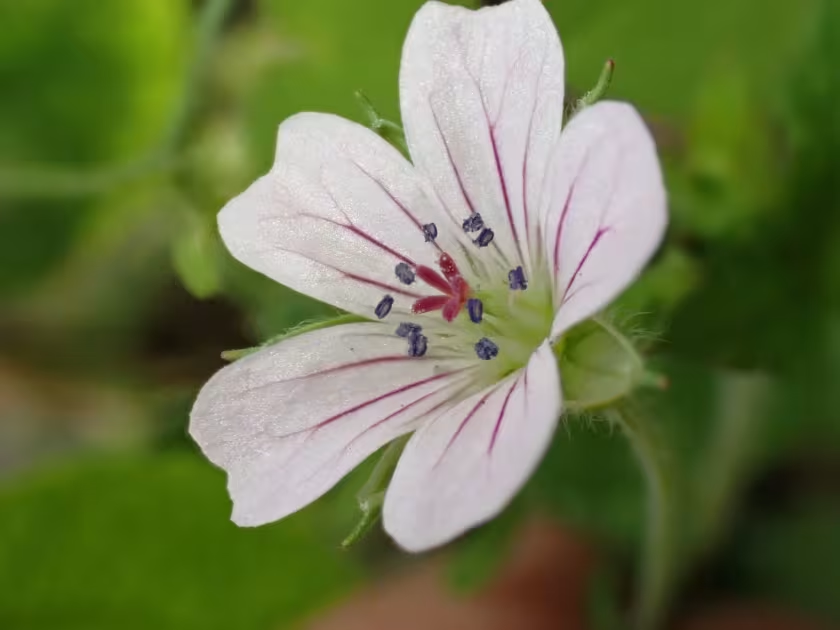
Description
Sowing dates
Nepalese cranesbill is a versatile herbaceous perennial belonging to the Geraniaceae family. Its ability to spread makes it an excellent choice for ground cover in gardens or naturalized landscapes.
Propagation is most effective through seeds sown in early spring after the risk of frost has passed. Seeds should be sown in a well-draining seedbed, ensuring they are lightly covered with soil to maintain moisture without burying them too deeply.
For more predictable results, sowing in containers under glass during late winter is recommended. This allows for controlled germination conditions and stronger seedlings before transplanting into the garden.
Division of mature clumps is another common practice, ideally performed in early autumn. This method ensures the new plants are well-established before the following season's growth, preserving the genetic characteristics of the parent.
Strategic placement during sowing or planting is essential, as the species can expand rapidly under favorable conditions. Planning the layout prevents overcrowding in mixed borders.
Growing requirements
This species thrives in moderate, well-draining soil with a pH ranging from neutral to slightly acidic. It is highly adaptable, performing well in both full sun and partial shade environments.
Originating from the mountainous regions of the Himalayas, Nepalese cranesbill is remarkably hardy and temperature-tolerant. It can withstand cooler climates, though it prefers consistent moisture to flourish.
Watering requirements are moderate; the soil should be kept damp but never waterlogged. During peak summer heat, supplemental irrigation helps maintain its vibrant foliage and extended flowering period.
Organic fertilizers or compost applied in the spring support robust growth. Adding a layer of mulch around the base of the plant helps retain moisture and discourages competitive weed growth.
Air circulation is important for the health of the plant, especially in humid conditions. Ensuring adequate spacing between plants allows for better ventilation and promotes stronger stem development.
Main diseases and pests
Nepalese cranesbill is generally resistant to most pests and diseases, though it may occasionally suffer from powdery mildew in high-humidity areas with poor airflow. Regular thinning of foliage can prevent this.
Root rot can occur if drainage is insufficient. Ensuring the soil is light and porous is the primary defense against fungal infections affecting the root system during periods of heavy rainfall.
Slugs and snails can pose a threat to young, tender shoots during the spring season. Managing these pests often involves using organic baits or physical barriers to protect the foliage.
Aphids might occasionally colonize the tips of young stems, but they are rarely detrimental to the plant’s overall health unless the infestation becomes widespread and unmanaged.
Maintaining a clean garden bed by removing old debris reduces the habitat for potential pests, contributing to the long-term vigor of the cranesbill.
Harvesting
In terms of agricultural or medicinal use, the aerial parts are typically harvested during the peak of the flowering stage. This timing captures the highest concentration of phytochemicals and essential compounds.
Harvesting involves cutting the stems a few inches above the ground. It is critical to perform this task in dry, clear weather to ensure that the plant material does not begin to decay during the drying process.
Drying should take place in a cool, dark, and well-ventilated area. Rapid drying in direct sunlight is discouraged as it can lead to the loss of volatile essential oils and pigments.
In ornamental applications, routine maintenance involves removing spent flowers to encourage continuous blooming throughout the season and to maintain an aesthetically pleasing appearance.
End-of-season maintenance includes cutting back the foliage once it has withered following the first frosts, preparing the root system for winter dormancy.