
Dove's-foot crane's-bill
Geranium molle L.
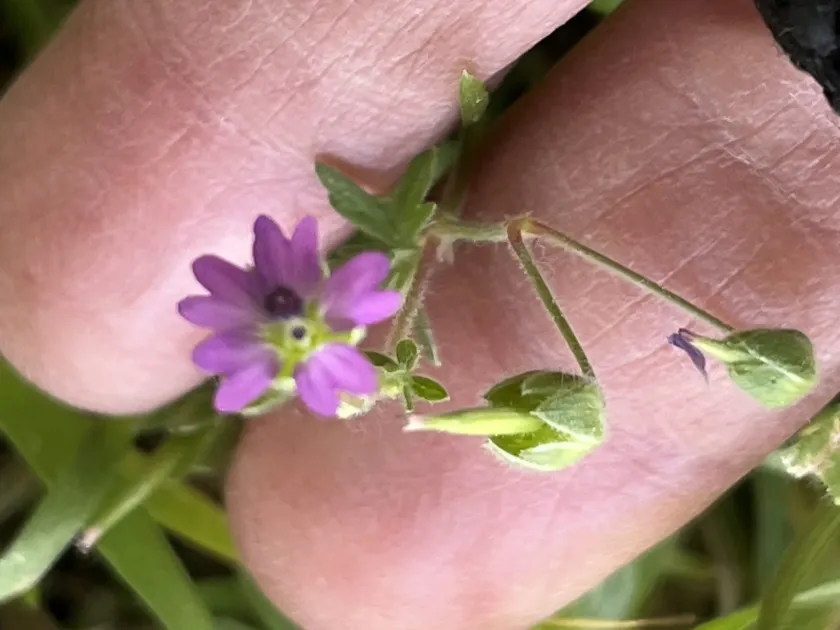
Description
Sowing dates
Geranium molle, commonly known as Dove's-foot crane's-bill, is an annual or biennial herbaceous plant belonging to the Geraniaceae family. Its life cycle is highly opportunistic, allowing it to colonize disturbed soils effectively.
Sowing should be performed in early spring once the soil temperature reaches approximately 10–12 degrees Celsius. Shallow placement of seeds, no deeper than 1 centimeter, is essential for optimal light exposure and successful germination.
The plant demonstrates vigorous germination characteristics. When cultivated, ensuring a fine seedbed texture significantly improves the consistency and uniformity of plant emergence across the field.
Strategic management of sowing dates allows for better control of the plant's growth phases. It is crucial to monitor field conditions to prevent premature seeding, which could lead to uncontrolled dispersion of seeds.
Effective establishment of the initial rosette stage is vital for the plant's long-term survival. Providing adequate spacing helps regulate competition for sunlight and essential nutrients during the early vegetative period.
Growing requirements
This species thrives in well-drained, sandy or loamy soils. It shows a preference for neutral to slightly acidic pH levels, avoiding areas with significant waterlogging, which can cause root system stress.
The plant adapts well to varying climatic conditions, preferring temperate zones. It requires a balanced combination of moisture and sun to reach its full physiological potential during the growing season.
Light intensity is a primary driver for biomass production and flowering. While it exhibits tolerance for partial shade, the best results are consistently achieved in open, sunny environments with high light availability.
Soil nutrient status should be managed carefully. While Geranium molle is not heavily demanding in terms of fertilizers, supplemental nitrogen can stimulate overly vegetative growth at the expense of reproductive output.
Aeration of the soil is an important agrotechnical factor. Regular cultivation of inter-rows prevents soil compaction and ensures that oxygen reaches the root zone, promoting healthier development.
Main diseases and pests
Fungal pathogens such as powdery mildew represent the primary risk to crop health, especially in high-humidity environments. Improving air circulation within the plant canopy is the most effective preventative measure.
Pests including aphids and certain leaf-eating beetles can cause significant localized damage. Integrated pest management strategies, utilizing both physical and biological controls, are recommended for long-term health.
Monitoring for signs of disease, such as necrotic spots or leaf wilting, should be a routine part of field management. Early detection allows for targeted intervention and reduces the need for broad-spectrum chemicals.
Crop rotation serves as a critical tool in managing the soil-borne diseases associated with Geranium molle. By alternating crops, growers can break the cycle of pathogens and improve overall soil health.
When chemical interventions are deemed necessary, choosing selective treatments that minimize impact on non-target beneficial insects is essential for maintaining a sustainable agricultural ecosystem.