
Geranium macrostylum
Geranium macrostylum Boiss.
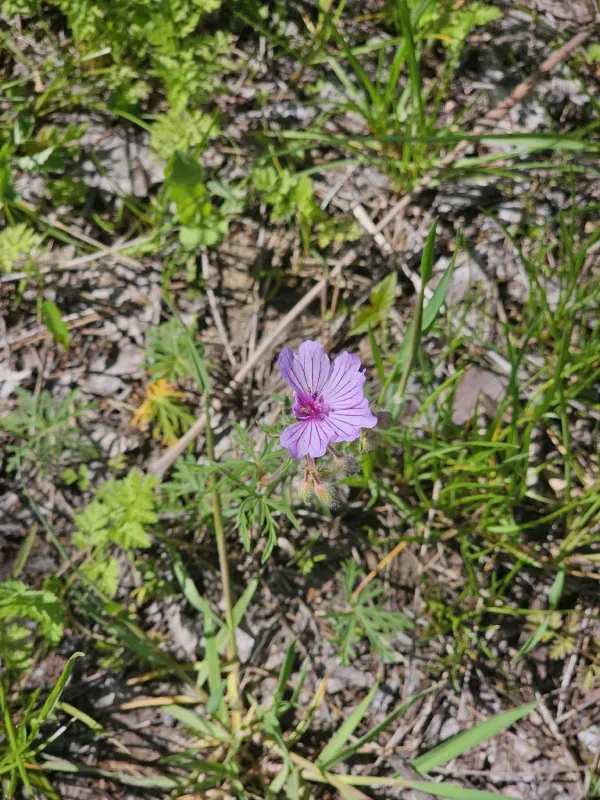
Description
Growing requirements
Geranium macrostylum is a perennial herbaceous plant belonging to the Geraniaceae family. Its native range covers the Eastern Mediterranean and parts of the Balkan Peninsula, where it typically inhabits stony slopes and open, well-drained rocky environments.
Botanically, this species is recognized by its distinctively long styles of the pistils, which are the primary diagnostic feature of the plant. It typically grows in basal leaf rosettes, with inflorescences emerging on stems that display a range of pink to purplish hues, enhancing its ornamental value.
The cultural requirements for this plant focus on providing full sun or partial shade conditions combined with excellent soil drainage. Being adapted to Mediterranean climates, the plant displays a degree of tolerance to drought, provided that the soil is not overly compacted or saturated during the winter months.
For optimal growth, the soil should be neutral or slightly alkaline and well-aerated. While the species is relatively self-sufficient, a balanced application of fertilizer during the early stages of the growing season can improve the overall vigor of the plant and prolong the flowering cycle.
In terms of agricultural and horticultural use, Geranium macrostylum is highly valued for landscaping projects, particularly in rock gardens. Its ability to thrive in poor soils and its compact growth habit make it a preferred choice for gardeners seeking low-maintenance perennials for dry borders.
Main diseases and pests
The primary threats to the cultivation of Geranium macrostylum are fungal diseases stemming from excessive moisture or poor ventilation. Powdery mildew and root rot represent the most significant risks, which can be mitigated by ensuring proper plant spacing and avoiding stagnant water around the roots.
Common pests include aphids and mites, which can proliferate during prolonged hot and dry periods. Effective management includes regular monitoring of foliage health and the use of insecticidal soap or specialized biocontrol agents if infestation levels exceed established economic or aesthetic thresholds.