
Carpet geranium
Geranium incanum Burm. f.
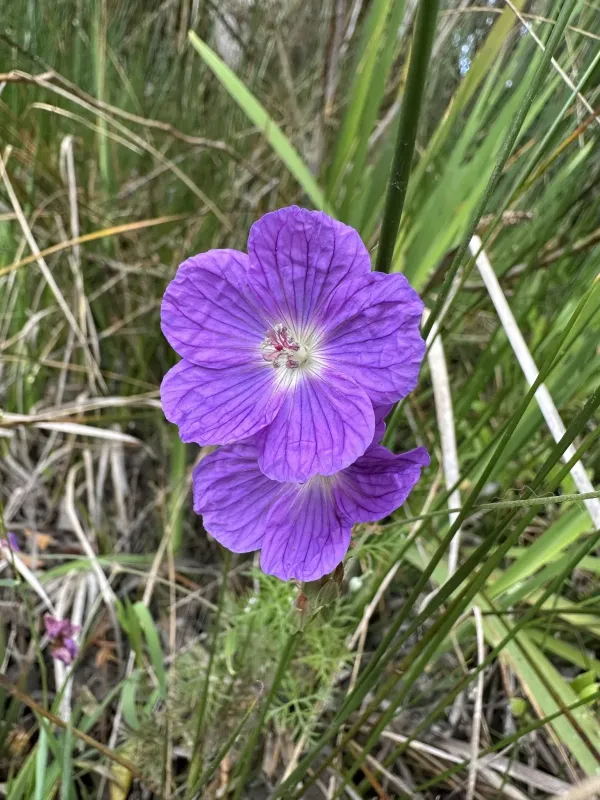
Description
Sowing dates
Geranium incanum, known as the carpet geranium, is typically propagated via seeds or division. Seeds should be sown in autumn or early spring, ensuring the soil temperature is suitable for germination.
When starting indoors, seeds require a period of stratification to break dormancy. Place the seed trays in a cool environment for a few weeks before moving them to a warmer spot with indirect sunlight.
Transplanting seedlings to their permanent garden location is best done after the risk of late spring frost has completely passed. Space plants at least 30 centimeters apart to allow for proper airflow.
Vegetative propagation through root division is highly effective in early spring. Carefully lift the clump and separate it into sections, ensuring each part has healthy roots and new growth buds.
Cuttings can be taken during the summer months. Use non-flowering side shoots, plant them in a moist, sandy medium, and cover with a clear plastic dome to maintain humidity until roots establish.
Growing requirements
Belonging to the Geraniaceae family, this plant is native to South Africa and thrives in temperate climates. It prefers full sun exposure to maintain its compact growth and produce an abundance of flowers.
The plant is highly adaptable but performs best in well-draining, sandy or loamy soils. It cannot tolerate waterlogged conditions, which lead to root decay and overall decline of the plant.
Due to its drought-tolerant nature, it is an excellent choice for rock gardens, hillsides, and areas where water conservation is a priority. It requires deep but infrequent watering once established.
Maintaining a neutral to slightly alkaline soil pH is ideal. If the soil is heavy or acidic, amending it with garden lime or grit can significantly improve the growth performance of the carpet geranium.
Standard maintenance includes removing spent blooms to encourage secondary flowering cycles throughout the season and light mulching to keep the roots cool during the heat of summer.
Main diseases and pests
Fungal diseases like powdery mildew are common in humid conditions or when plants are crowded. Improving air circulation by thinning out older plants is an effective cultural control method.
Aphids and spider mites are the primary pests that affect this species. They typically target the tender new foliage, especially when the plant is under stress from drought or nutrient deficiency.
Regular inspection of the undersides of the leaves is recommended to detect pest infestations early. Soap-based sprays or horticultural oils are often sufficient to manage these populations without chemicals.
Root rot is a major threat caused by overwatering or poor drainage. It is essential to ensure that the site where the geranium is planted has adequate slope or underground drainage pipes.
Leaf spots caused by various pathogens may appear if foliage remains wet for extended periods. Directing water at the base of the plant rather than overhead helps prevent these infections.