
Clark's meadow cranesbill
Geranium clarkei Yeo x Geranium pratense L.
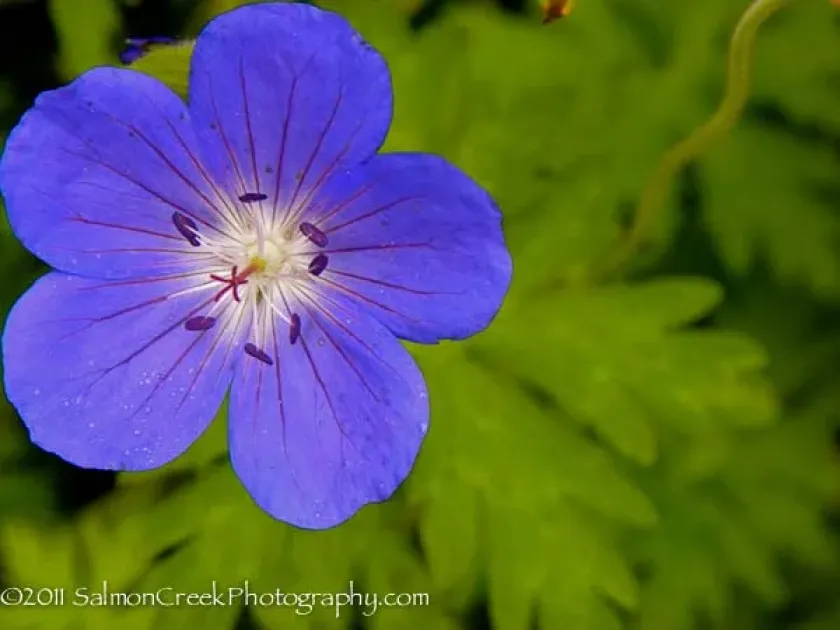
Description
Sowing dates
Propagation of this hybrid geranium is primarily achieved through division of the root clumps, which ensures the maintenance of desired phenotypic traits.
The recommended timing for division is during the spring when growth begins or in early autumn to allow the root system to establish before winter.
When dividing, one must ensure each segment contains viable growing points, facilitating a quick transition to active growth in a new location.
Spacing between plants should be approximately 30 to 45 centimeters, providing enough area for the plants to spread and develop their characteristic foliage.
Seed propagation is discouraged for this hybrid cross, as the resulting progeny rarely replicate the parent plant's specific ornamental qualities accurately.
Growing requirements
This hybrid thrives in full sun to partial shade, where it displays optimal vigor and high-quality flower production throughout the blooming season.
The ideal soil is moisture-retentive, rich in organic matter, and well-drained to prevent root rot, which is a major concern in waterlogged conditions.
The plant demonstrates significant hardiness, adapting well to a variety of temperate climates without the need for intensive winter protection measures.
Cultural practices include occasional watering during dry spells and the application of balanced fertilizers early in the season to support leaf development.
Mulching is a beneficial practice to suppress weeds, regulate soil temperature, and retain moisture, which reduces the overall maintenance frequency.
Main diseases and pests
Powdery mildew is the most frequent disease, particularly in environments with poor air circulation and high humidity levels during the summer months.
Proactive management of mildew includes pruning away affected stems and applying appropriate fungicides if the infection threatens the plant's health.
Pests such as aphids and leaf-eating beetles may occasionally target the foliage, causing aesthetic damage and weakening the plant if left untreated.
Integrated pest management, including regular inspections and the use of insecticidal soaps, effectively mitigates these common garden challenges.
Maintaining a clean garden environment by removing decaying plant matter helps reduce the populations of overwintering pathogens and harmful insects.