
Geraldton wax
Chamelaucium uncinatum Schauer
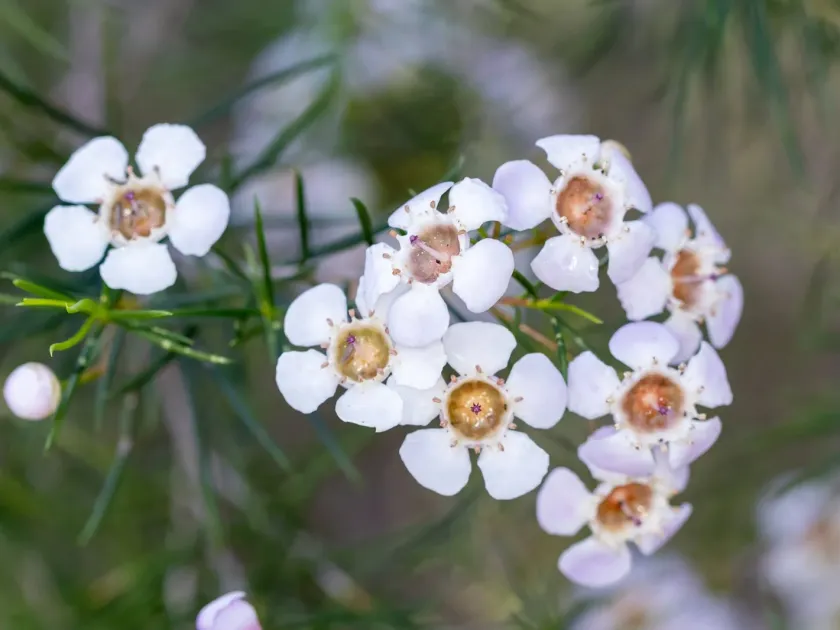
Description
Sowing dates
Propagation of Chamelaucium uncinatum is primarily conducted through stem cuttings. Professional growers select semi-hardwood material during late summer or early autumn to ensure the best rooting potential.
The rooting medium should be porous and well-aerated, typically composed of a peat and perlite mixture. Maintaining stable moisture levels without causing saturation is critical during the rooting phase.
Once roots are well-established, young plants are transferred to larger containers. Proper hardening-off procedures are essential before moving them to the production area or greenhouse.
Seed propagation is less common in commercial agriculture due to the unpredictability of germination and the time required for development. It requires specific stratification to break dormancy.
The spacing of plants is crucial for successful cultivation. Adequate room between specimens allows for sufficient airflow, which significantly reduces the risk of fungal diseases.
Growing requirements
Geraldton wax belongs to the Myrtaceae family and is native to Western Australia. The plant is adapted to sandy, nutrient-poor soils, which defines its specific requirements for cultivation.
Abundant sunlight is a primary requirement for the plant. High light intensity ensures optimal flower production and promotes strong stem development, which is vital for the cut flower industry.
The soil must have excellent drainage properties. Any waterlogging will almost inevitably result in root rot, making the use of raised beds or specialized containers a standard practice.
Temperature management is key to maintaining the plant's health. It thrives in temperate conditions and generally dislikes high humidity combined with stagnant air, which can stress the plant.
While the plant is drought-tolerant once established, controlled irrigation is necessary during the active growing season. Water quality should also be monitored, as high salinity can impact growth.
Main diseases and pests
Root rot caused by Phytophthora species is the most severe threat to Geraldton wax plantations. It is often triggered by overly heavy soils or poor irrigation management in the greenhouse.
Pests such as spider mites and scale insects can cause significant damage to the foliage and stems. Regular scouting is essential to identify early infestations before they become widespread.
Powdery mildew may occur when air circulation is inadequate. Maintaining a dry, well-ventilated environment is the best cultural practice to prevent such fungal pathogens from spreading.
Integrated pest management (IPM) strategies are highly recommended to keep plantations healthy. This includes the use of beneficial insects and targeted biological controls for pest suppression.
Sanitation practices, such as removing fallen leaves and pruning dead wood, help reduce the incidence of pests and pathogens. Cleanliness is a cornerstone of professional agricultural management.
Harvesting
Harvesting typically occurs when the majority of flowers on the stem have fully opened. The stems are cut at the base, ensuring they are long enough for commercial bunching requirements.
Post-harvest handling is critical for maintaining quality. The stems should be cooled immediately to remove field heat and stored at temperatures that preserve the integrity of the flowers.
Floral preservatives are often used in the water buckets to maximize vase life. This helps in delivering high-quality products to the final markets and improving shelf life for retailers.
Grading is performed based on stem length, the density of the flower spikes, and the overall color intensity. Only high-quality stems are selected for premium export markets.
Storage should take place in a cool, well-ventilated environment to prevent any accumulation of ethylene, which could accelerate the aging process of the harvested stems.