
Almond willow
Salix triandra L.
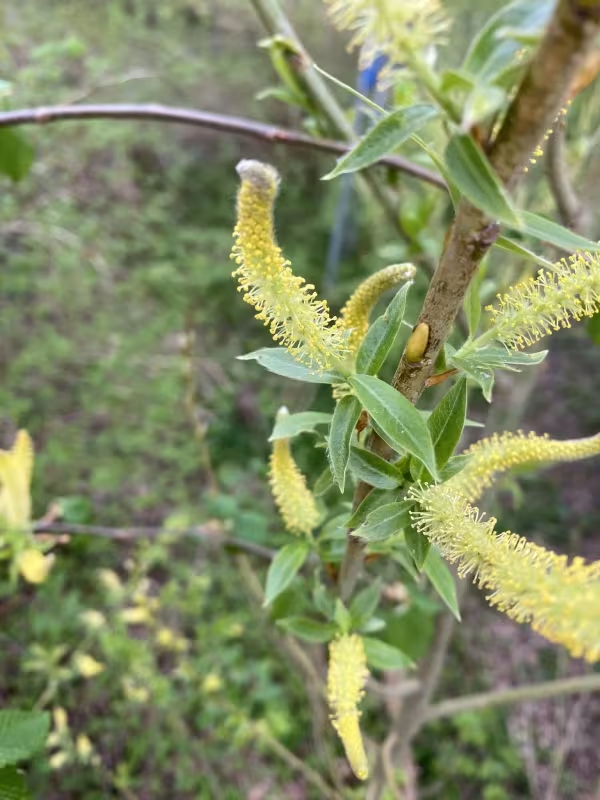
Description
Sowing dates
Planting of almond willow is typically carried out in early spring when the soil has thawed, or in late autumn during the leaf-fall period.
The standard propagation method involves using hardwood cuttings, approximately 20–25 centimeters long, harvested from healthy one-year-old shoots.
Cuttings are planted in rows, burying them deep enough into the soil so that only one or two buds remain exposed to develop into new stems.
Planting density is adjusted based on the intended use, with higher densities preferred for producing fine-quality rods for high-end basketry products.
Adequate soil moisture is critical during the initial rooting phase to ensure high establishment rates and vigorous early season growth.
Growing requirements
Almond willow belongs to the Salicaceae family and is highly valued in industrial basketry due to the superior flexibility and quality of its wood.
The plant thrives in moist, well-drained floodplain soils and is naturally found along rivers and water bodies, reflecting its native habitat preferences.
It requires full sun exposure for optimal growth; shading from nearby trees or structures significantly reduces biomass yield and rod quality.
Loamy or sandy-loam soils rich in organic matter are ideal for almond willow production, though it can adapt to various conditions with consistent moisture.
In regions prone to drought, supplemental irrigation is necessary to prevent stunted growth and maintain the pliability required for professional weaving.
Yield
The yield of almond willow depends on diligent management, including weed control and soil fertilization throughout the growth cycle of the plantation.
Well-managed plantations can produce between 8 and 15 tons of raw biomass per hectare annually, depending on site conditions and plant density.
The main economic value is derived from the production of smooth, flexible rods that are highly sought after for furniture making and intricate handicrafts.
Beyond traditional use, this willow species shows significant potential as an energy crop for sustainable biomass and biofuel production purposes.
Consistent care allows for stable productivity levels, with plantations remaining economically viable for over a decade if properly maintained and harvested.
Main diseases and pests
Fungal diseases such as rust and various leaf spot infections are the most common threats that can compromise the health of almond willow stands.
Insect pests, including willow leaf beetles and various weevil species, can damage the foliage and stems, impacting the overall vitality of the crop.
Effective management includes regular monitoring, the removal of infected plant material, and the application of fungicides when symptoms first appear.
Keeping plantations free of weeds and maintaining adequate plant spacing helps reduce the prevalence of pest infestations and moisture-related diseases.
Integrated pest management strategies are recommended to ensure long-term health and to minimize the use of chemical pesticides in the cultivation area.
Harvesting
Harvesting is performed annually during the dormancy period, usually in late autumn after leaf fall or in early spring before the buds begin to swell.
Stems are cut as close to the ground as possible, a technique that encourages the development of strong, straight shoots for the following season.
After cutting, the willow rods are graded by length and thickness to meet the specific requirements of basket makers and industrial buyers.
The collected material is bundled and stored in well-ventilated areas or under shelters to promote proper curing and prevent mold development.
Proper harvesting practices ensure the longevity of the rootstocks and maintain the physical properties of the wood necessary for high-quality production.