
Fremont's leather flower
Clematis fremontii S. Watson
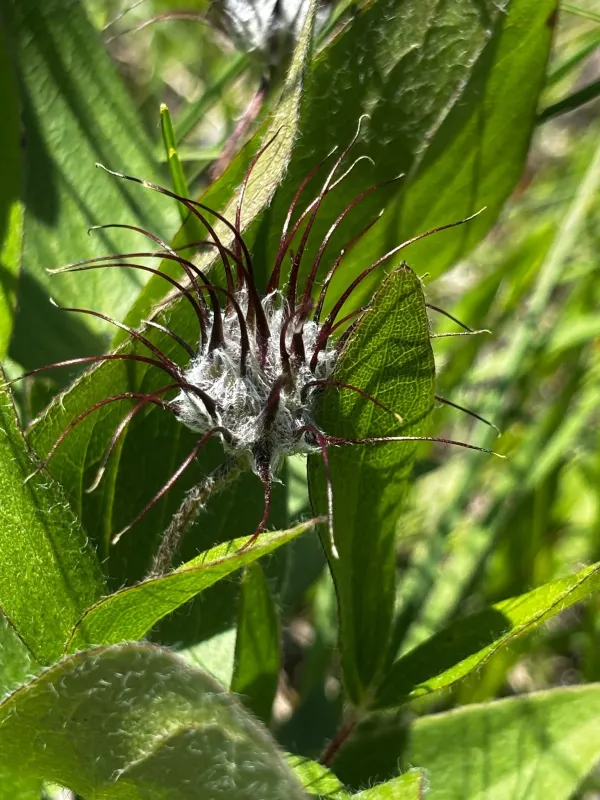
Description
Growing requirements
Fremont's leather flower (Clematis fremontii) is a distinct perennial plant within the Ranunculaceae family. Unlike the well-known climbing vines, this species grows as a low-mounding shrub and does not require a trellis or structural support.
The plant is native to the central United States, where it naturally occurs in rocky prairies and limestone outcroppings. This evolutionary history has adapted the species to harsh weather and rocky terrain.
To ensure optimal growth, the plant requires full sun exposure and well-draining soil. It thrives best in alkaline or neutral substrates that mimic its natural habitat and prevent root moisture stagnation.
Agricultural techniques focus on maintaining good drainage. Excessive water accumulation around the crown can lead to rapid decline, making raised beds or slopes excellent locations for this species.
The species exhibits impressive cold hardiness, allowing it to survive in varied climate zones. Once established, it is relatively drought-tolerant and requires minimal irrigation during the summer months.
Main diseases and pests
The primary concern for Fremont's leather flower is fungal pathogens, especially root rot caused by poor soil drainage. Maintaining a dry crown area is essential for long-term survival.
Aphids are common pests that colonize tender new growth during the spring. Early detection is important to prevent leaf curling and the subsequent development of sooty mold.
Spider mites can become problematic in hot and dry climates, leading to yellowing of the foliage. Regular overhead watering or misting can help deter mite infestations during dry spells.
Slugs and snails may feed on the young shoots, especially during wet springs. Using protective barriers or organic deterrents is recommended to preserve the integrity of the foliage.
Routine sanitation, including the removal of dead plant material at the end of the season, helps reduce the overwintering sites for both fungal spores and insect pests.