
Anthurium andraeanum
Anthurium andraeanum Linden ex André
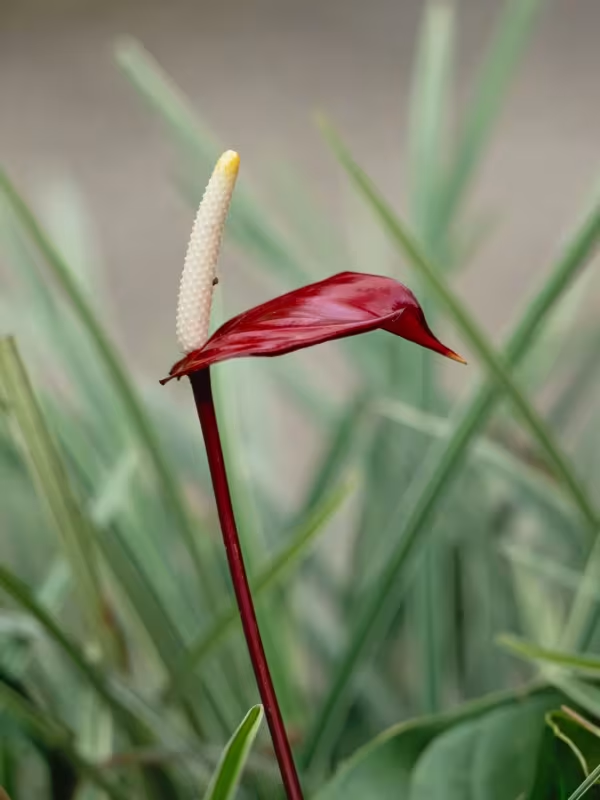
Description
Sowing dates
Anthurium andraeanum belongs to the Araceae family. In professional floriculture, the culture is primarily propagated vegetatively through division or stem cuttings, as seed propagation is time-consuming and often fails to maintain specific cultivar characteristics.
Planting is performed in a loose, aerated substrate with high acidity. The optimal period for transplanting and propagation is spring, when the plant transitions out of its relative dormancy phase and begins active vegetative growth.
Seed use is reserved for breeding purposes. In such cases, freshly harvested seeds are sown immediately into a lightweight peat-based substrate under conditions of high humidity and temperatures between 25–28 degrees Celsius.
A critical stage involves preparing the growing areas, which must provide excellent drainage to prevent moisture stagnation in the root zone. Anthurium roots are highly sensitive to oxygen deprivation.
The culture requires a professional approach to substrate composition, frequently combining conifer bark, coconut coir, and sphagnum moss to simulate natural epiphytic conditions.
Growing requirements
Anthurium andraeanum is a quintessential tropical inhabitant requiring stable microclimate maintenance. The optimal temperature for healthy development ranges from +20 to +25 degrees Celsius, with sudden fluctuations and drafts being strictly avoided.
The plant requires bright, diffused light. Direct sunlight causes burns on the leathery leaves, while excessive shade results in a loss of spathe color intensity and stunted growth.
Air humidity must be maintained between 70–80%. Dry air causes leaf tips to desiccate and significantly reduces the plant's decorative appeal, which is critical for the market quality of the produce.
Irrigation should be regular but moderate, using soft, settled water. The substrate must remain moist but not waterlogged to prevent the development of pathogenic microflora.
During the active growth phase, the culture is supplied with specialized mineral fertilizers for aroids with low salt content, as the plant is extremely sensitive to calcium and lime excesses.
Yield
The industrial yield of Anthurium andraeanum is measured by the number of marketable inflorescences harvested from a single plant per year. With proper agrotechnics, one mature plant can produce between 6 and 10 high-quality flower stems.
The lifespan of a plantation in greenhouse conditions typically ranges from 3 to 5 years. After this period, flowering intensity declines, and replanting or rejuvenation is necessary.
Marketability is determined by stem length, the size and symmetry of the spathe, and the density and condition of the spadix. Larger and brighter inflorescences command higher market classes.
To improve the yield of high-quality cut flowers, large-scale facilities employ automated irrigation systems and light control (supplemental lighting during winter).
Effective agrotechnics allow for the elimination of seasonality in flowering, ensuring year-round harvesting, which is a key economic indicator for commercial flower farms.
Main diseases and pests
Primary pests include spider mites, scale insects, and mealybugs. They multiply rapidly under poor humidity control and high temperatures, draining sap from the leaves.
Anthracnose and various types of rot (root and stem) are common diseases. These typically emerge due to systematic substrate overwatering and inadequate ventilation.
Leaf spot, caused by fungi and bacteria, manifests as brown spots with yellow halos. Prevention consists of maintaining greenhouse hygiene and strict control over propagation material.
Plants affected by viral infections, which cause leaf deformation, must be immediately disposed of, as treatments for such pathologies do not exist.
- Regular inspection of the leaf undersides.
- Timely application of insecticides and fungicides.
- Rigorous sanitation of horticultural tools.
Harvesting
Inflorescences are harvested when the spadix is fully developed and the spathe has reached its characteristic color and firmness. Immature flowers have a poor vase life and low commercial value.
Harvesting is performed using a sharp, sterilized knife or pruning shears as close to the base of the shoot as possible. This prevents leaving stubs that could rot and become a source of infection.
Immediately after cutting, stems are placed in containers of clean water. To extend vase life, the cut ends can be trimmed at an angle to increase the surface area for moisture absorption.
Transportation requires specific conditions: air temperatures should not drop below +15 degrees Celsius, as the culture is extremely sensitive to chilling injury.
Packaging for cut flowers must prevent mechanical damage to the glossy surface of the spathe, which is easily scarred and loses its market appeal.