
Flamingo Lily
Anthurium-Andreanum-Hybriden
Description
Growing requirements
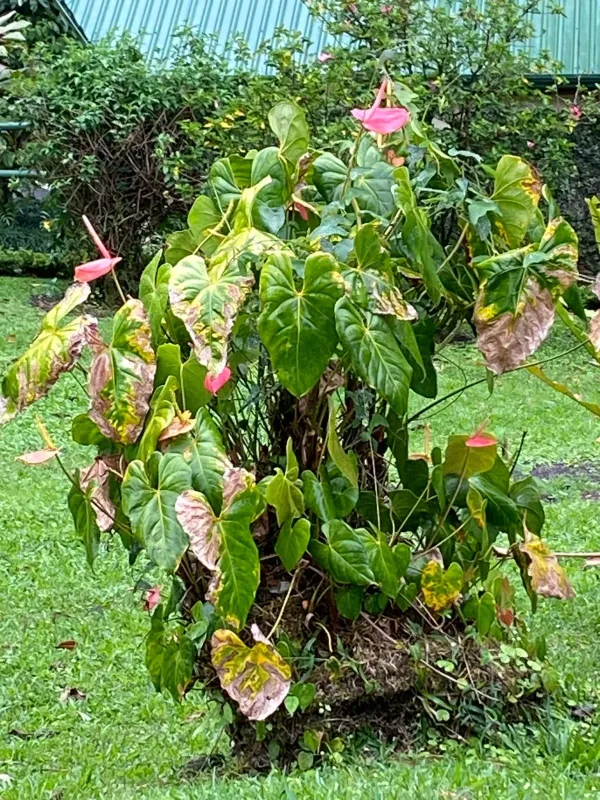
Anthurium andreanum, commonly known as the Flamingo Lily, is a perennial flowering plant from the Araceae family, widely cultivated for the cut-flower market. Native to the tropical rainforests of Colombia and Ecuador, it thrives in warm, humid conditions that must be mimicked in professional greenhouse operations.
The optimal temperature range for this crop is 20–25 °C. Strict temperature control is essential, as fluctuations can trigger physiological disorders and impede the development of the spathe, which is the primary marketable part of the plant.
A well-draining, porous substrate is crucial for root health. A blend of pine bark, peat moss, perlite, and sometimes coconut coir is preferred, maintaining an acidic pH between 5.0 and 6.0 to ensure optimal nutrient uptake for the crop.
Humidity management is a top priority in commercial production, with 70–80% relative humidity required to prevent the drying of foliage and spathe tips. Greenhouse systems must include automated misting or humidification to maintain these levels.
Light intensity significantly affects flower production. While the plants require bright, indirect light, high-intensity direct sun can be damaging. Shade netting is commonly used in commercial greenhouses to adjust light levels and prevent leaf scorch.
Yield
Commercial production of Anthurium Andreanum is geared towards high-quality cut flowers. The economic value depends on the shelf-life and aesthetic quality of the spathe, which can last up to 3–4 weeks in a vase when harvested at the right maturity stage.
Yields are highly dependent on environmental consistency and specialized fertilization programs. Well-managed plants can produce 6 to 12 high-quality blooms per year, depending on the specific cultivar and greenhouse efficiency.
Effective nutrient management involves using balanced NPK fertilizers with an emphasis on potassium during the flowering stage. This practice enhances the color intensity and durability of the spathes, which are essential quality metrics for floral buyers.
Harvesting should be timed when the spadix is fully developed and the flowers appear distinct. Proper post-harvest handling, including cooling and immediate hydration, is necessary to maintain the long-term freshness and marketability of the cut flowers.
Modern propagation relies on tissue culture (in vitro) to produce disease-free, genetically uniform plants. This method allows growers to maintain high yield standards and prevent the spread of soil-borne pathogens across the production area.
Main diseases and pests
Root rot caused by Phytophthora and Pythium species remains the most severe threat to greenhouse-grown Anthuriums. These diseases flourish in poorly aerated or waterlogged substrates, making irrigation timing a critical skill for the agronomist.
Spider mites are common pests that thrive in the dry air conditions of greenhouses. If left unchecked, these insects quickly defoliate the crop and damage flower surfaces, making regular scouting and the use of targeted acaricides essential.
Thrips and scale insects are also significant pests. Thrips cause necrotic damage to the surface of the spathes, rendering them unsellable, while scale insects suck nutrients directly from the stems and foliage, weakening the overall plant.
Bacterial blight and various fungal leaf spots often occur when humidity is not managed correctly or when ventilation is poor. Proper air circulation and strict sanitation of the greenhouse environment are the primary defenses against these infections.
Integrated Pest Management (IPM) is the standard for professional Anthurium cultivation. This involves the systematic use of beneficial insects and minimal chemical intervention to ensure long-term crop sustainability and produce safety.