
Anthurium scherzerianum
Anthurium x scherzerianum hort. non Schott
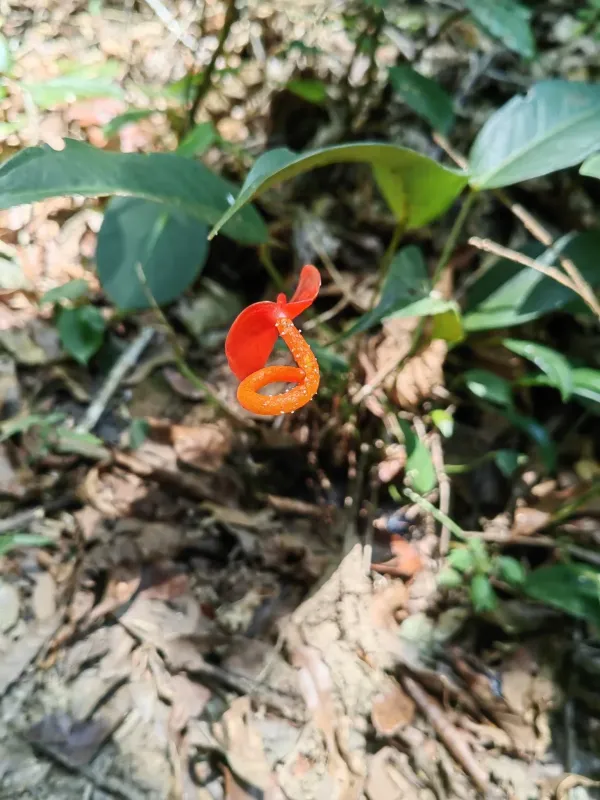
Description
Growing requirements
Anthurium scherzerianum is a perennial herbaceous plant belonging to the Araceae family. Originating from the cloud forests of Costa Rica, this species is well-known as a popular ornamental crop favored for its distinctive curled spadix and bright spathe.
Successful cultivation requires a stable greenhouse environment with temperatures maintained between 20°C and 24°C. Cold drafts and sudden thermal fluctuations are detrimental to the plant's growth, often leading to physiological damage and stunted development.
The root system requires an extremely porous and well-draining substrate to thrive. A mixture consisting of pine bark, perlite, peat moss, and charcoal is recommended to ensure optimal aeration while maintaining a slightly acidic pH level between 5.0 and 6.0.
High relative humidity is essential for the crop, with ideal levels ranging from 70% to 85%. Automated misting or irrigation systems are commonly used in commercial greenhouses to prevent the leaves from drying out during intensive growth cycles.
Light management is crucial, as the plant prefers bright, filtered indirect light. Direct exposure to intense solar radiation can damage the foliage, leading to yellowing or necrotic patches, while insufficient light severely limits the production of flower spikes.
Yield
The economic focus of this crop is the production of high-quality potted plants for domestic and commercial interior decoration. Breeders have developed various cultivars with diverse spathe colors to satisfy market demands in the floral industry.
Optimal yield is achieved through periodic fertilization using diluted balanced liquid nutrients. Strategic use of potassium-rich fertilizers during the budding phase significantly improves the size and longevity of the inflorescences.
Main diseases and pests
Common phytopathological risks include Rhizoctonia and Phytophthora root rots, which are often triggered by overwatering and poor drainage. Using sterilized containers and maintaining strict irrigation discipline are the best preventative measures.
Pest pressures include thrips, spider mites, and scale insects, which thrive in low-humidity environments. Integrated Pest Management (IPM) practices, including the use of beneficial predators and targeted horticultural soaps, are preferred to maintain crop health.