
Anthurium affine
Anthurium affine Schott
Description
Growing requirements
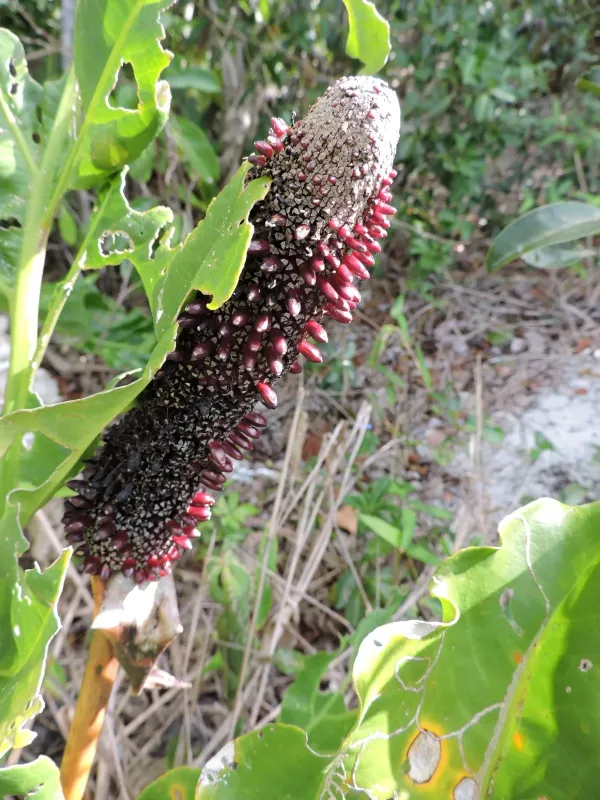
Anthurium affine Schott is a perennial herbaceous plant belonging to the Araceae family. Native to the tropical regions of Brazil, this species is known for its architectural foliage and distinctive growth habits that thrive in humid, shaded forest environments.
In cultivation, this species requires a stable environment with bright, indirect light. Direct sunlight is detrimental to its health, as it causes severe leaf scorching. Ideally, it should be kept in a position where the light is filtered through curtains or surrounding foliage.
The substrate must be highly porous and well-draining, mimicking the forest floor or epiphytic sites where it grows naturally. A mixture of pine bark, perlite, peat moss, and charcoal is recommended to ensure that the root system has sufficient aeration.
Temperature requirements are strictly tropical, preferring a range between 20°C and 25°C. The plant will struggle if exposed to temperatures dropping below 15°C for extended periods, making it unsuitable for areas with cold climates unless controlled indoor environments are maintained.
Humidity is a critical factor for Anthurium affine. To maintain the health of the foliage and encourage new growth, owners should ensure humidity levels stay above 60%. Frequent misting or the use of pebble trays with water can assist in creating the necessary microclimate.
Main diseases and pests
Root rot is the most common health issue for Anthurium affine, usually triggered by waterlogging the soil. This condition often results from a substrate that is too compact or from over-frequent watering cycles that do not allow the roots to breathe.
Common insect pests include mealybugs and scale insects, which hide in the crevices of the stem and along the leaf veins. These pests drain sap, weakening the plant and potentially leaving it susceptible to secondary fungal infections.
Spider mites are also a threat, particularly in environments with low humidity. They can cause a stippled appearance on the leaves, eventually leading to yellowing and premature leaf drop if not addressed promptly with horticultural soap or neem oil.
Fungal diseases like anthracnose can manifest as dark, necrotic spots on the leaf blades. Managing this involves improving air circulation, removing infected leaves, and applying fungicides when a severe outbreak occurs.
Preventive maintenance is key to keeping this plant robust. Regular inspections of the undersides of leaves and maintaining clean growing conditions will significantly reduce the likelihood of pest infestations and fungal complications.