
Anthurium obtusum
Anthurium obtusum (Engl.) Grayum
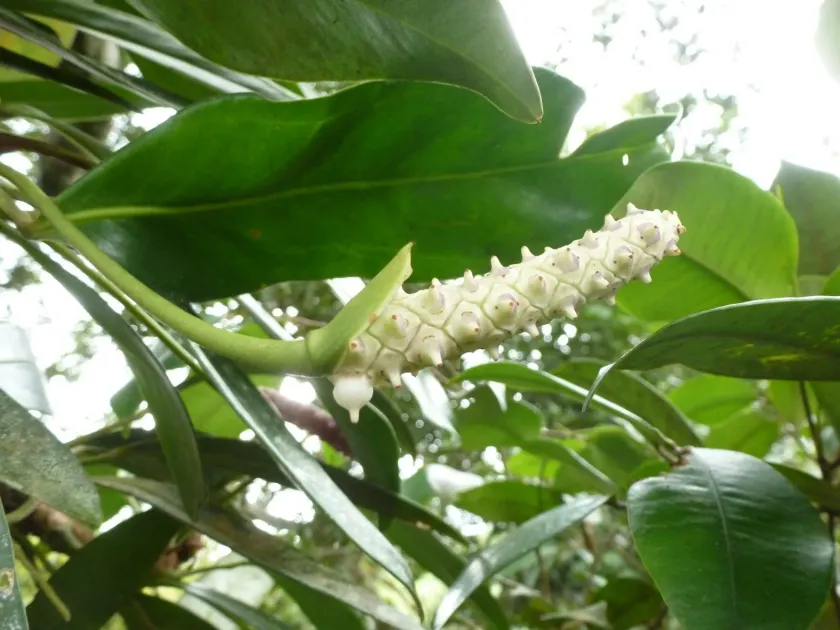
Description
Growing requirements
Anthurium obtusum is a perennial herbaceous plant belonging to the Araceae family. Originating from the tropical rainforests of Central and South America, it primarily thrives in high-humidity environments as an epiphyte or lithophyte.
This crop requires bright, indirect light to maintain its foliage health. High light intensity during the peak of the day can cause leaf scorch, whereas insufficient lighting results in elongated stems and diminished ornamental value.
Temperature management is crucial; the plant performs best in a range between 20°C and 26°C. It is sensitive to sudden drops in temperature, especially when combined with high humidity, which can lead to metabolic slowdown or root distress.
Soil requirements involve a highly porous, well-draining mixture. A blend containing orchid bark, peat moss, and perlite is recommended to provide the necessary aeration for the sensitive root system, preventing compaction over time.
Watering practices should be consistent, ensuring the substrate remains moist but never waterlogged. Using lukewarm, distilled, or filtered water helps avoid mineral buildup, which can adversely affect the appearance of the leaves.
Main diseases and pests
Common pests affecting Anthurium obtusum include spider mites and mealybugs, which tend to infest plants in poorly ventilated, low-humidity spaces. Regular inspection of the leaf underside is essential for early detection.
Root rot, often caused by Phytophthora or Pythium species, remains the most significant threat to the plant's longevity. Ensuring proper drainage and using clean, sterilized pots are the primary cultural methods to prevent fungal spread.