
Pennisetum flaccidum
Cenchrus flaccidus (Griseb.) Morrone
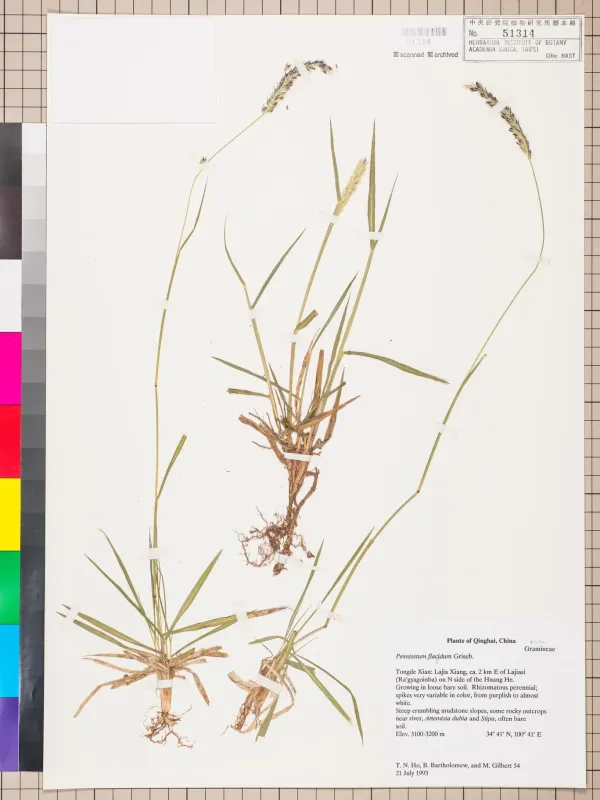
Description
Sowing dates
Sowing of Pennisetum flaccidum is conducted in the spring when soil temperatures at the seeding depth reach 12–15 degrees Celsius. Adequate soil moisture is a critical factor for successful germination, especially in arid climates where surface drying can hinder establishment.
The seeding depth usually ranges from 2 to 3 centimeters depending on the soil texture. On lighter sandy soils, slightly deeper planting is recommended to ensure the seeds remain in the moist zone and are protected from excessive sun exposure.
Row or broadcast seeding methods are commonly used depending on the intended use of the crop. Proper plant spacing is essential to minimize intra-species competition for nutrients and water, allowing each plant to reach its full vegetative potential.
Rolling the soil after sowing is a vital agronomic practice that improves soil-to-seed contact. This practice promotes better moisture capillary action, leading to faster and more uniform germination across the entire field.
Seedlings develop slowly in the early stages, making weed management essential. Timely removal of competitive weeds during the establishment phase allows the Pennisetum to occupy the field rapidly and ensures a uniform stand for the remainder of the season.
##requirements##Pennisetum flaccidum, a member of the Poaceae family, is a perennial grass species renowned for its robustness and adaptability to challenging environments. It exhibits exceptional tolerance to high temperatures and prolonged drought, making it suitable for semi-arid agriculture.
The plant thrives in open, sunny locations as shading significantly inhibits its development and biomass production. It can be grown on a wide range of soil types, including poor, gravelly, or sandy soils where other fodder crops often fail to establish.
Neutral to slightly alkaline soil conditions are preferred for optimal growth. The species shows a high level of tolerance to moderate soil salinity, which provides opportunities for its use on reclaimed lands or areas with marginal soil quality.
Good soil aeration is critical for the health of this species. Waterlogging and poor drainage are detrimental to its root system and can lead to fungal infections, thus selecting well-drained sites is a priority for agricultural success.
While the plant is hardy, nutrient management, particularly nitrogen fertilization, can significantly increase the total biomass yield. Managed fertility helps maintain high productivity over multiple seasons, even under varied environmental conditions.
##yield##The yield of Pennisetum flaccidum is heavily influenced by annual rainfall and the availability of soil nutrients during the growing season. Under irrigated conditions, productivity levels are substantially higher, providing a reliable source of green fodder.
The crop is primarily utilized for hay production and as grazing pasture. Its ability to regrow vigorously after cutting allows for multiple harvests per year, maximizing the total feed output per hectare during the vegetative period.
The nutritional value is highest before the onset of flowering. Timely harvesting is essential to ensure a high concentration of protein and digestible fiber, which are critical for the healthy growth and maintenance of livestock.
Maintaining a rotational grazing system is recommended to ensure long-term productivity. By preventing overgrazing, the root system remains vigorous, ensuring the longevity of the pasture and the consistent quality of the regrowing biomass.
Overall performance is maximized when careful attention is paid to harvest timing and soil management. With proper care, this grass provides a sustainable and resilient fodder solution for farmers in warmer, drier regions.
##threats##Fungal diseases, such as various types of rust, represent the primary threat to the leaf tissue of Pennisetum flaccidum. High humidity levels and dense stands can promote the rapid spread of these pathogens, reducing overall photosynthetic efficiency.
Pests like cereal aphids and various weevils can cause localized damage to young shoots and leaves. Regular field scouting is necessary, especially during peak growth phases, to identify early infestations and prevent significant biomass loss.
Weed encroachment is a major challenge during the first year of establishment. Competitive weeds can outgrow the Pennisetum seedlings, depriving them of light and moisture, and requiring either manual or chemical intervention for successful control.
Overgrazing and trampling by livestock can physically damage the stand, leading to thinning and reduced yield in subsequent seasons. Implementing sustainable stocking rates is vital for maintaining a healthy and productive grass cover.
An integrated pest management approach, combining cultural practices and vigilant monitoring, is the most effective way to protect the crop. By maintaining healthy soil and observing crop development, growers can significantly reduce the impact of these biotic stressors.