
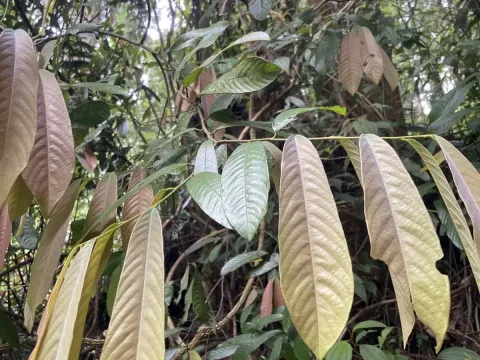
Fissistigma
Fissistigma
Fissistigma is a genus of woody climbers belonging to the Annonaceae family. These plants are native to tropical and subtropical regions of Southeast Asia, thriving primarily in dense, humid forests.
What the section contains
 Fissistigma lanuginosum
Fissistigma lanuginosum
Fissistigma lanuginosum
 Fissistigma latifolium
Fissistigma latifolium
Fissistigma latifolium
 Fissistigma manubriatum
Fissistigma polyanthum
Fissistigma polyanthum
Fissistigma rufinerve
Fissistigma rufinerve
Fissistigma verrucosum
Fissistigma verrucosum
Fissistigma wallichii
Fissistigma wallichii
Fissistigma manubriatum
Fissistigma manubriatum
Fissistigma polyanthum
Fissistigma polyanthum
Fissistigma rufinerve
Fissistigma rufinerve
Fissistigma verrucosum
Fissistigma verrucosum
Fissistigma wallichii
Fissistigma wallichii
Fissistigma
The climate requirements for this culture involve maintaining consistently warm temperatures, ideally between 22°C and 28°C. Being a tropical plant, it cannot withstand frost and requires a controlled environment when grown outside its native range.
The soil must be well-drained and nutrient-rich to support vigorous growth. An ideal mixture includes peat moss, organic compost, and perlite, which helps maintain the perfect balance between moisture retention and soil aeration.
Light exposure is a critical factor in the cultivation of Fissistigma. While the plant can tolerate partial shade, brighter indirect light promotes better foliage density and increases the likelihood of floral development.
A consistent irrigation schedule is essential, especially during the active growing season. The soil should remain moist but never waterlogged, as excessive standing water can cause the roots to suffocate or rot.
Fissistigma has significant medicinal potential, with various species being studied for their secondary metabolites. Certain compounds extracted from the bark and leaves exhibit pharmacological properties of interest to the pharmaceutical industry.
While not a primary commercial food crop, the fruits of several species are harvested locally for consumption. These fruits often have an aromatic pulp and are collected when they reach the peak of maturity.
The plant serves an important role in ornamental horticulture, particularly for interior landscaping. Its ability to scale walls and trellises makes it a popular choice for vertical gardening in conservatories.
Traditional use includes the processing of stems into fibrous materials for ropes and basketry. This practice highlights the structural integrity of the vine's vascular tissues and their historical significance in local crafts.
Current harvesting practices are largely focused on sustainable wild collection, but interest in controlled cultivation is rising. Establishing nurseries for this crop ensures a steady supply for botanical and research purposes.
Pest management is vital, as common greenhouse intruders like spider mites and aphids can severely damage the leaves. Routine monitoring and the application of neem oil or insecticidal soaps help maintain plant vigor.
Fungal diseases, specifically leaf spot and root rot, represent the most common physiological threats. These are usually managed through improved ventilation, proper spacing between plants, and careful monitoring of substrate moisture.