
Fissistigma latifolium
Fissistigma latifolium
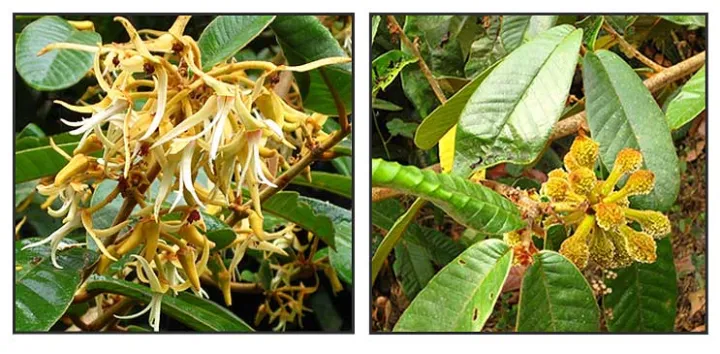
Description
Sowing dates
Propagation of Fissistigma latifolium is typically achieved through seeds, which should be planted in a well-draining, nutrient-rich substrate. Consistent warmth and high humidity are essential for successful germination.
Seeds should be sown in early spring to take advantage of the natural increase in sunlight. Maintaining a temperature range between 22°C and 25°C is crucial for the embryos to break dormancy and emerge.
Vegetative propagation via stem cuttings is also a common method for ensuring clonal uniformity. Cuttings are best taken from semi-hardwood stems during the active growing season and treated with rooting hormones.
Care must be taken to provide a greenhouse environment with stable humidity levels for newly started plants. Young specimens require gradual acclimation to lower humidity as they mature and establish a robust root system.
Once the seedlings or cuttings have reached a sufficient size, they should be transplanted into larger containers to allow for continued development of their extensive root networks.
Growing requirements
Fissistigma latifolium is a perennial woody climber belonging to the Annonaceae family. It is native to the humid tropical forests of Southeast Asia, where it thrives in shaded and warm conditions.
The plant demands high ambient humidity and protection from cold drafts. In commercial cultivation, climate control systems are essential to maintain temperatures between 20°C and 30°C throughout the year.
A loose, fertile, and slightly acidic soil composition is ideal for this vine. Excellent drainage is non-negotiable, as waterlogged roots are highly susceptible to decay in this tropical species.
Bright, filtered light is the optimal exposure for Fissistigma latifolium. Direct sunlight should be avoided as it can scorch the broad, delicate foliage, reducing the overall vitality and aesthetic appeal of the vine.
Fertilization with balanced NPK formulas, supplemented by micronutrients, is necessary during the peak growing season to support the rapid development of stems and foliage.
Yield
The primary horticultural application of Fissistigma latifolium is in vertical landscaping and tropical garden design. Its vigorous growth habit makes it an excellent choice for covering walls or trellises in warm climates.
The fruits produced by the plant are edible and have a history of traditional use in local diets. They are characterized by a unique aromatic profile that is occasionally explored in culinary applications.
Ongoing research into the phytochemical profile of Fissistigma latifolium highlights its potential as a source of bioactive compounds. This makes it an interesting subject for pharmacological studies and possible industrial use.
Yields are maximized through precise irrigation management and structural support that allows the vine to spread effectively. Regular pruning helps concentrate energy into fruit-bearing branches.
Harvesting is performed manually when the fruits attain optimal ripeness. Gentle handling is required to prevent bruising, as the fruits often have a soft texture upon maturation.
Main diseases and pests
Common pests affecting this culture include spider mites and scale insects, which proliferate in environments with inadequate humidity or poor air circulation within the greenhouse canopy.
Integrated pest management strategies are recommended, including regular monitoring and the use of insecticidal soaps or systemic treatments when an infestation is detected early.
Root rot caused by Oomycetes and various soil-borne fungi is a significant risk, particularly in instances of overwatering. Proper drainage and sterile planting media are the best preventative measures.
Nutritional deficiencies, often manifesting as interveinal chlorosis, can weaken the plant. This is typically corrected by balancing the pH of the soil and applying appropriate chelated mineral supplements.
In high-density greenhouse settings, constant phytosanitary monitoring is essential to prevent the spread of localized diseases that can quickly compromise the health of the entire crop.