
Fissistigma lanuginosum
Fissistigma lanuginosum
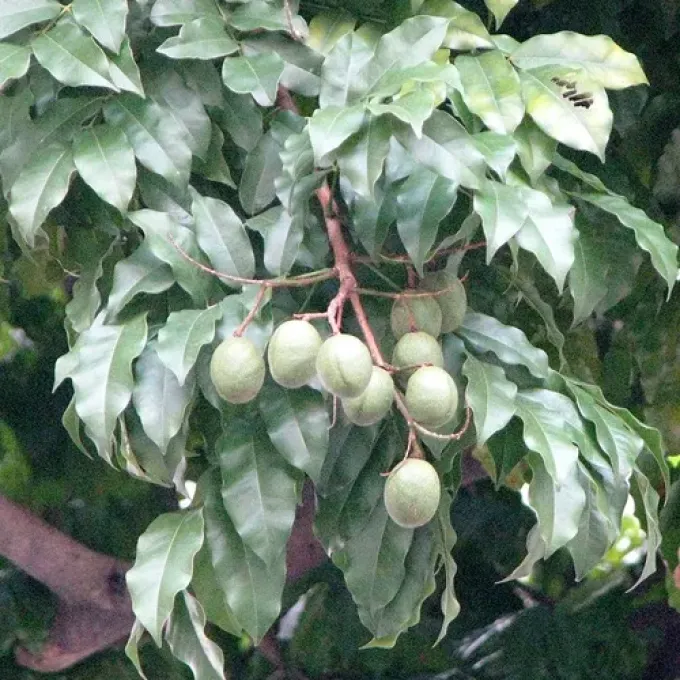
Description
Growing requirements
Fissistigma lanuginosum is a woody vine belonging to the Annonaceae family, native to the tropical regions of Southeast Asia. It is a climbing plant adapted to high humidity environments where it can thrive under the canopy of tropical forests.
Cultivation of this species requires strict adherence to temperature control, as it does not tolerate frost or cold drafts. The ideal environment for growth is a tropical greenhouse where temperatures remain consistently between 22 and 30 degrees Celsius throughout the year.
The soil requirements involve a well-draining, nutrient-rich substrate composed of organic matter, peat, and coarse perlite. This mixture ensures the roots are aerated while retaining sufficient moisture to support the vigorous growth of the vine's climbing stems.
Botanically, the plant is characterized by its distinct lanuginose (woolly/hairy) indumentum on the stems and leaves, which serves to protect the plant from harsh environmental factors. The foliage is generally thick and leathery, typical of tropical climbers of this genus.
Regarding its economic use, the genus Fissistigma is noted for various applications in traditional medicine and phytochemical research. Due to its climbing nature, it is also highly valued in botanical conservatory displays and specialized landscaping for its unique textures.
Main diseases and pests
Major threats to the crop include root decay caused by waterlogged soil and high-humidity-related fungal diseases such as leaf spots. Maintaining a clean growing environment and ensuring proper air movement are essential for preventing the spread of these pathogens.
Pests that commonly infest this species include scale insects and mealybugs, which are attracted to the dense foliage. Integrated pest management, including regular inspection and the use of insecticidal soaps, is recommended for maintaining plant health.