
Fissistigma manubriatum
Fissistigma manubriatum
Description
Growing requirements
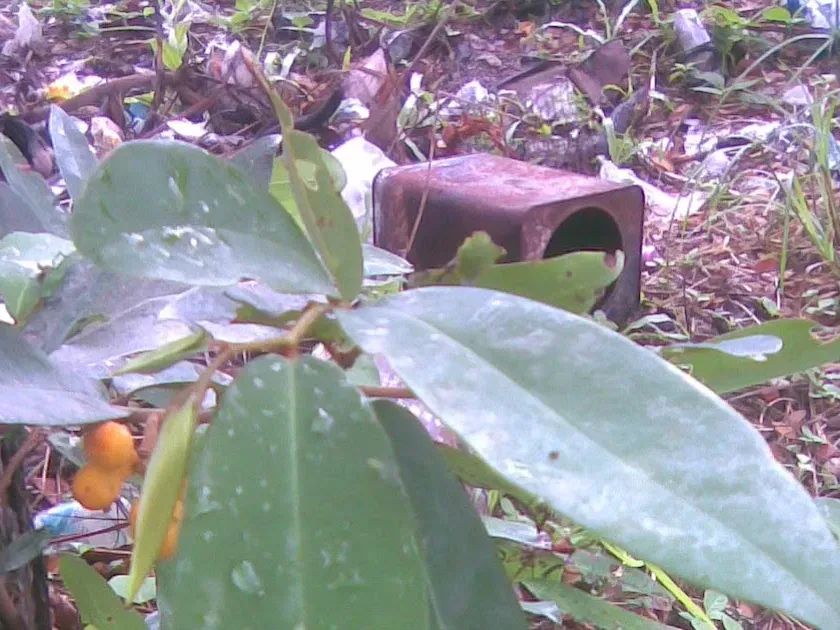
Fissistigma manubriatum is an evergreen woody climber classified under the Annonaceae family. This species is primarily native to the humid tropical forests of Southern China and parts of Southeast Asia, where it grows as part of the forest understory.
For successful growth, this crop requires a tropical or subtropical climate characterized by high atmospheric humidity. It thrives in well-draining, nutrient-rich soils that provide consistent moisture without waterlogging, which is critical for root health.
Agrotechnical practices emphasize the need for partial shade, as intense direct sunlight can scorch the foliage of the climber. Temperatures should be maintained in the range of 20 to 28 degrees Celsius to ensure optimal metabolic activity and vining growth.
In its native habitat, the plant is known for its chemical profile, containing various alkaloids of interest to the pharmaceutical industry. This has led to its traditional use in various medicinal decoctions and local healing practices within its distribution range.
Propagation is generally performed through seed germination or stem cuttings in controlled, warm, and humid environments. As a perennial crop, it requires stable support structures for its climbing stems to maximize vertical space and ensure better air circulation.