
Crassula coccinea
Crassula coccinea L.
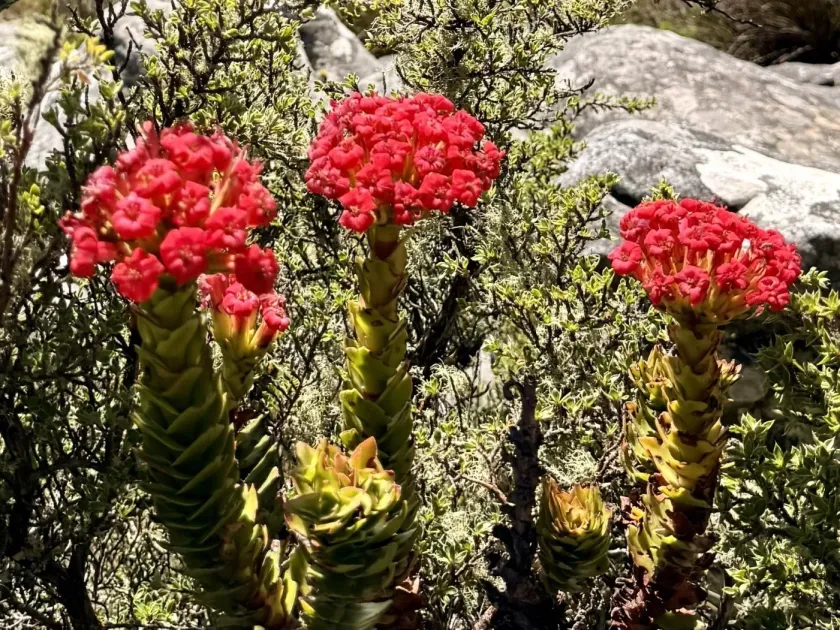
Description
Growing requirements
Crassula coccinea L., widely known as the scarlet-flowered crassula, is a perennial succulent belonging to the Crassulaceae family. It originates from the Cape region of South Africa, where it thrives in rocky, well-drained terrains under significant sunlight exposure.
The cultural requirements for this plant focus on high light intensity. To maintain its compact growth habit and vivid foliage coloration, it should be placed in areas receiving full sun for at least 6–8 hours daily, especially during the active growing season.
The substrate must be extremely porous. An ideal potting mix consists of a standard cactus blend enriched with non-organic drainage materials like pumice, coarse sand, or perlite. Proper drainage is the single most important factor for long-term health.
Temperature management should mimic Mediterranean-like conditions. While the plant can tolerate moderate heat, it benefits from cooler temperatures during the night. A winter dormancy period with temperatures between 10 °C and 15 °C is essential for initiating flower spike development.
Watering frequency should be strictly regulated by the plant's moisture needs. The soil must be allowed to dry out completely throughout the pot depth before the next irrigation. Overwatering remains the primary cause of cultural failure and plant loss.
Main diseases and pests
Fungal infections, particularly root rot, represent the most critical threat. These pathogens proliferate rapidly in stagnant or excessively wet soil. Symptoms often include yellowing leaves and soft, mushy stems that turn black at the base.
Mealybugs are the most persistent insect pests for this species. They cluster in leaf axils and crevices, feeding on plant sap. Early detection is vital, as they are hard to eradicate once a heavy infestation is established, requiring systemic pesticides.
Scale insects can attach themselves to the stems, creating hardened brown bumps. They can be manually removed with a soft brush dipped in isopropyl alcohol, which kills the pest without damaging the plant's epidermis.
Poor air circulation often leads to the development of powdery mildew. This fungal disease appears as a white, dusty layer on the foliage, interfering with respiration and photosynthesis and potentially weakening the entire plant structure.
Insects like spider mites may emerge in extremely dry and hot environments. Maintaining optimal humidity around the foliage and providing adequate airflow will significantly decrease the susceptibility of the crop to mite colonization.