
Italian bellflower
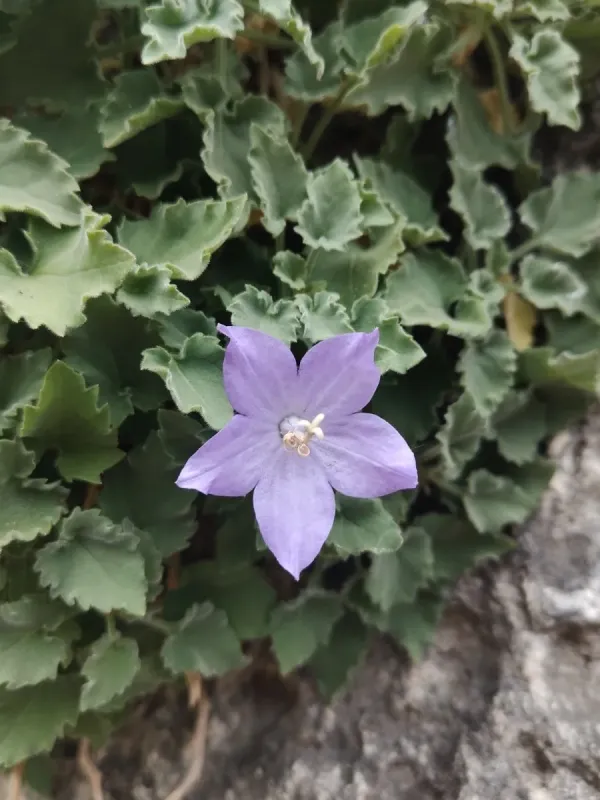
Campanula isophylla Moretti
Description
Growing requirements
The Italian bellflower (Campanula isophylla Moretti) is a perennial herbaceous plant belonging to the Campanulaceae family. Originally from the rocky mountain slopes of Northern Italy, this species is well-adapted to specific light and temperature conditions in cultivation.
This crop requires bright, indirect light to thrive. While it loves the sun, direct midday exposure can scorch the foliage, so placing it in a well-lit area away from intense heat is essential for maintaining vibrant health and leaf color.
Cultivation necessitates a loose, fertile, and highly well-drained substrate. A standard mix including leaf mold, peat, and coarse sand provides the necessary aeration for the root system, preventing the risk of suffocation and decay.
Regular watering during the growing season is crucial, yet the soil must never remain waterlogged. The bellflower is sensitive to moisture excess; thus, ensuring that the top layer of soil dries slightly between waterings is a recommended practice.
A cool winter dormancy period is vital for this plant. Keeping it at temperatures between 12–14 degrees Celsius allows the plant to rest, ensuring it develops stronger blooms and maintains its vigor for the upcoming growth cycle.
Main diseases and pests
Spider mites are the most common pests that thrive in dry indoor environments. They attack the leaves, causing them to dry out, and can be managed through increased humidity levels and the application of mild acaricides when necessary.
Root and stem rot are significant threats caused by overwatering or poor drainage systems in containers. Once the roots begin to decay, the entire plant is at risk, making drainage management the primary defense against such pathogens.
Powdery mildew may occur when ventilation is poor or when humidity fluctuates significantly. The fungal growth manifests as a white coating on the leaves and requires fungicide application along with better air circulation to resolve.
Aphids often target the tender buds and young shoots of the plant, drawing out vital juices and preventing proper flowering. Early detection and the use of insecticidal soaps or specific treatments are effective control methods.
Physiological stress, often caused by inadequate light, makes the plant more susceptible to diseases. By maintaining optimal light and nutrient levels, the plant naturally strengthens its defenses, reducing the overall need for chemical intervention.