
Euryops oligiglossus
Euryops oligiglossus
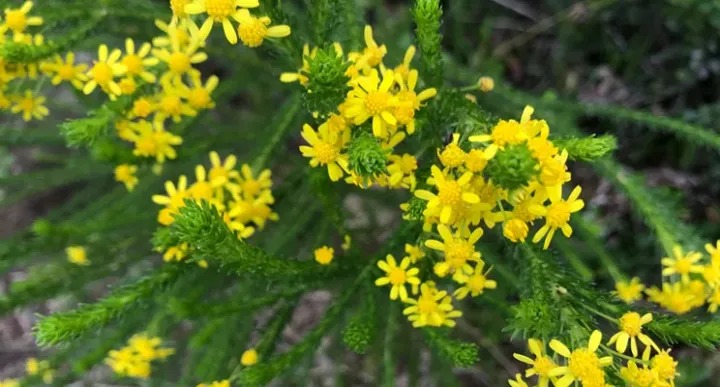
Description
Growing requirements
Euryops oligiglossus belongs to the Asteraceae family and is recognized for its vibrant floral displays. As a hardy perennial or semi-shrub, it represents a significant interest for ornamental agriculture and landscaping.
Originating from the regions of Southern Africa, this plant has adapted to well-drained, sandy, or rocky soils. Its biological structure is designed to thrive under intense sun exposure and moderate water availability.
For optimal growth, the species requires a site with full sunlight. Shade-grown specimens tend to produce fewer flowers and display spindly vegetative growth, which diminishes their ornamental value.
Soil composition should be light and porous to prevent root asphyxiation. The plant shows a strong preference for slightly acidic to neutral pH levels, making it adaptable to a wide range of garden substrates if properly drained.
Climate tolerance is restricted to frost-free environments. While the plant can handle some temperature fluctuations, it is essentially a heat-loving crop that requires protection or indoor relocation during winter months in temperate zones.
Main diseases and pests
Root rot is the most prevalent threat, primarily caused by waterlogged soil conditions. Proper irrigation management is critical, as the roots are highly susceptible to fungal pathogens like Phytophthora.
Spider mites are common pests that thrive in dry, warm conditions. They target the underside of the leaves, causing chlorosis and weakening the plant's overall photosynthetic capacity over time.
Aphids often infest the developing buds and tender shoots. Their feeding activity can result in distorted growth and the transmission of viral diseases if not addressed with appropriate biological or chemical controls.
Powdery mildew represents a fungal risk during seasons with high relative humidity and poor air circulation. It manifests as a white, dusty layer on the foliage and requires prompt treatment with sulfur-based or systemic fungicides.
Maintaining proper plant hygiene is essential to prevent the spread of diseases. Regular inspection of the crop, removal of dead organic matter, and disinfecting gardening tools help mitigate risks of common horticultural pathogens.