
Euryops annae
Euryops annae
Description
Growing requirements
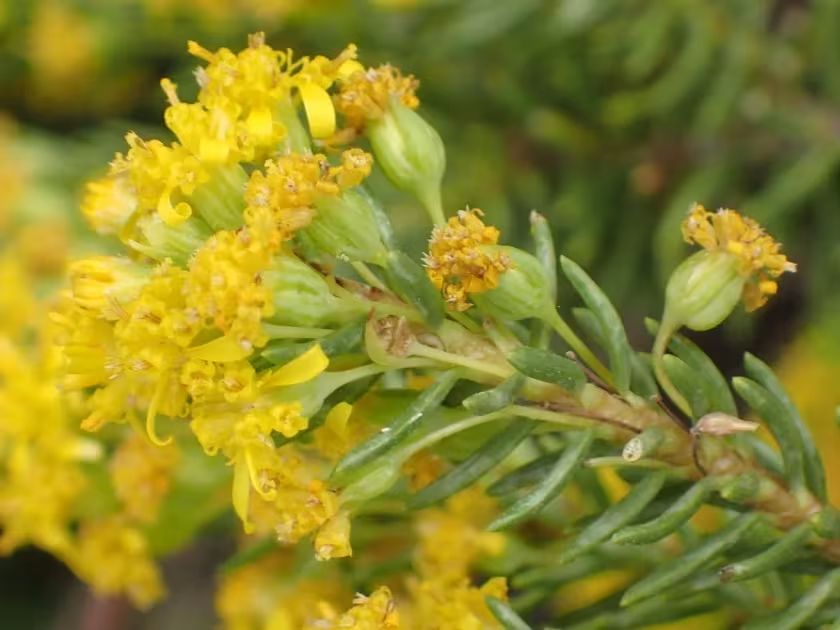
Euryops annae is an evergreen perennial shrub belonging to the Asteraceae family. Originating from the arid regions of Southern Africa, this plant has evolved to thrive in environments characterized by high light intensity and low water availability, making it a distinct example of botanical adaptation.
The plant features fine, grey-green foliage that maintains its structural integrity throughout the growing season. Its growth habit is naturally compact and rounded, which is highly appreciated in landscape design for creating low-maintenance, drought-tolerant borders and container arrangements.
Cultivation requirements necessitate well-draining soil with a neutral to slightly acidic pH level. Euryops annae is particularly susceptible to root rot if grown in heavy, water-retentive clay soils, so providing an efficient drainage system at the root level is mandatory for long-term health.
Full sun exposure is a primary requirement for the plant to thrive. Without sufficient sunlight, Euryops annae tends to lose its dense form and exhibits reduced flowering. It performs best in locations that receive at least 6 to 8 hours of direct sunlight daily.
In terms of climate, the plant prefers warm conditions and is considered frost-tender. While it handles heat exceptionally well, gardeners in cooler climates should treat it as a container plant, ensuring it is moved indoors or protected during winter months to prevent damage from freezing temperatures.
Main diseases and pests
The primary threats to Euryops annae include fungal pathogens that thrive in overly wet conditions. Root rot, caused by various soil-borne fungi, is the most critical issue and is usually the result of overwatering or inadequate soil aeration, leading to sudden decline or collapse of the plant.
Insect pests such as spider mites and mealybugs can pose significant challenges, particularly when the plant is kept in glasshouses or areas with stagnant air. These pests extract sap from the foliage, causing yellowing, stunted growth, and general loss of vigor.
Integrated pest management is recommended to keep these threats under control. Regular monitoring for signs of infestation, such as webbing or white cottony masses, allows for early intervention using appropriate biological or chemical control agents.
Cultural practices such as proper spacing and cleaning of fallen debris around the base are essential to reduce the humidity levels that encourage fungal outbreaks. Ensuring that foliage remains dry during irrigation also helps prevent foliar diseases.
Maintaining balanced nutrient levels through controlled-release fertilizers supports overall plant strength. Avoid excessive nitrogen inputs, as this results in soft, succulent growth that is significantly more attractive to sap-sucking insects and susceptible to environmental stress.