
Euryops anthemoides
Euryops anthemoides
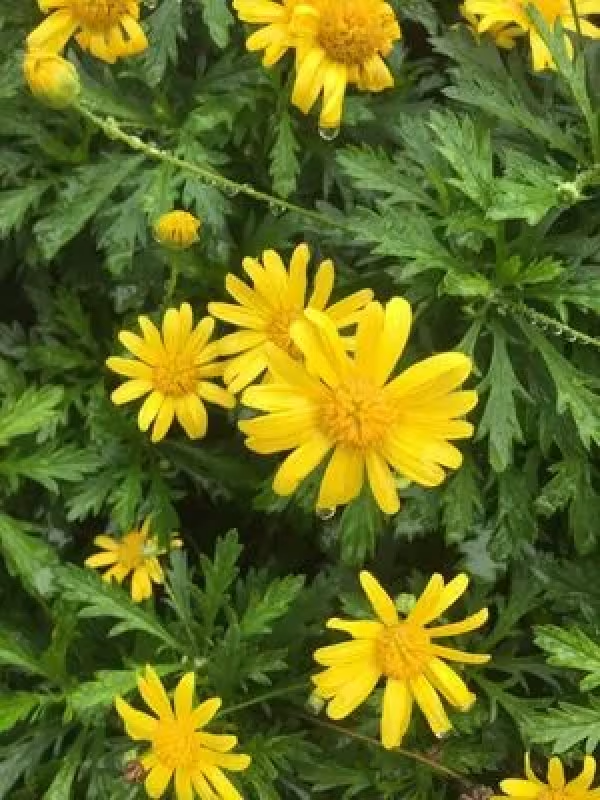
Description
Sowing dates
Propagation of Euryops anthemoides is typically achieved through seeds or stem cuttings. Seeds are sown in a well-draining seed-starting mix in late winter, ideally keeping the environment at a temperature of approximately 20 degrees Celsius to ensure germination.
When sowing outdoors, it is essential to wait until all risks of frost have passed. Euryops is highly sensitive to cold, so using greenhouse or indoor seedling starts is the most effective way to establish vigorous young plants before moving them outdoors.
Stem cuttings offer a more reliable way to propagate specific desirable traits. Semi-hardwood cuttings should be taken during the growing season and placed in a moist, sandy medium under a cover to maintain humidity and encourage rooting.
Seeds require light for germination and should be covered only very lightly with soil. Consistent moisture levels must be maintained until the seedlings are strong enough to withstand drier conditions.
Transplanting to the final growing site should occur in late spring or early summer when the soil has warmed up sufficiently. This transition helps the plant focus its energy on establishing a robust root system during the active growing season.
Growing requirements
Euryops anthemoides is a member of the Asteraceae family, native to the diverse regions of South Africa. It thrives in locations that receive full sun for most of the day, which is crucial for promoting dense growth and prolific flowering.
The plant requires well-drained, porous soil to prevent moisture from accumulating around the roots. In clay-heavy soils, amending the site with organic matter and gravel is necessary to create a favorable environment for the root system.
This species is not frost-tolerant, necessitating its use as an annual or a container plant in temperate climates. Container-grown specimens should be moved to a bright, frost-free location during the winter months to ensure survival.
Watering should be balanced; while the plant enjoys regular moisture during the growing season, it is vital to let the soil dry out slightly between waterings to avoid root rot. Occasional balanced feeding will support the plant's health and vibrant blooms.
Pruning is a critical maintenance practice for this species. Removing spent flowers and trimming back leggy branches encourages the plant to remain compact and bushy, rather than becoming woody and sparse at the base.
Main diseases and pests
Root rot is the most common threat to the vitality of Euryops anthemoides, typically occurring when soil drainage is poor or the plant is overwatered. Improving drainage and adjusting the watering frequency are the best preventive measures.
Insect pests, particularly aphids, are often attracted to the soft new growth and buds of the plant. A spider mite infestation can also occur if the air around the plant becomes too hot and dry for an extended period.
Effective pest management involves using mild insecticidal soaps or systemic pesticides when infestations are first noticed. Maintaining proper plant spacing helps to improve airflow and reduces the likelihood of pest outbreaks.
Powdery mildew may appear on the foliage if the plant is grown in overly humid conditions with stagnant air. Providing adequate space between plants and ensuring good ventilation are key strategies to prevent this fungal issue.
Regular monitoring of the foliage for yellowing or spotting helps catch potential problems before they spread. Healthy, stress-free plants are significantly more resistant to common diseases and pests.