
Euryops brevipapposus
Euryops brevipapposus
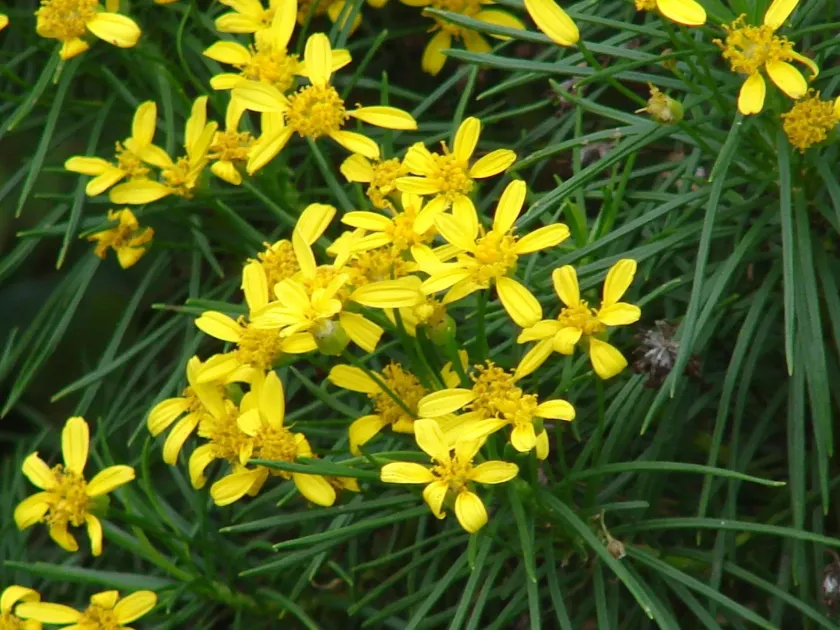
Description
Sowing dates
Euryops brevipapposus is a perennial member of the Asteraceae family, recognized for its specific growth habits and ornamental value. Successful propagation requires careful attention to the physiological needs of the seeds during their early developmental stages.
The sowing process begins in late winter, typically within a controlled greenhouse environment. Using a sterile, well-draining seed-starting mix is critical, as the species is highly sensitive to excessive moisture during the germination phase.
Maintaining a constant temperature of approximately 20–22 degrees Celsius is essential for uniform emergence. Once the seedlings reach the stage of having developed their first true leaves, they should be carefully transplanted into individual containers.
Hardening off the plants is a mandatory step before field planting. This process should occur over several weeks to allow the plant tissues to acclimatize to outdoor humidity and temperature fluctuations, thereby reducing transplant shock.
Vegetative propagation via cuttings taken in late summer is also a common practice. This method ensures that the genetic characteristics of the parent plant are preserved and results in a more robust root system for the following season.
Growing requirements
This species is heliophilic, demanding full sun exposure to thrive and produce its signature flowers. Planting in areas with partial shade often results in etiolated growth, stunted development, and a significant reduction in overall bloom density.
Soil requirements are centered on excellent drainage and aeration. Euryops brevipapposus performs best in sandy or rocky soils that prevent water saturation, mimicking the conditions of its native arid or semi-arid habitat.
Watering frequency should be balanced. While the plant is drought-tolerant once established, it requires consistent moisture during its peak flowering season. Avoiding overhead watering is recommended to minimize the risk of foliar disease development.
Temperature management is a primary constraint. The plant is not frost-hardy, necessitating relocation to a protected, frost-free location during winter months in temperate zones. Optimal growth occurs within a mild temperature bracket of 18–25 degrees Celsius.
Nutrient supplementation should be conservative. A balanced, slow-release fertilizer applied at the start of the spring season is usually sufficient to support growth without causing excessive lushness that makes the plant susceptible to environmental stress.
Main diseases and pests
Root rot is the most significant agronomic challenge, primarily induced by over-irrigation or soil compaction. Maintaining an open soil structure and implementing a reliable drainage system are the most effective preventative measures against this threat.
Spider mites pose a frequent threat to the plant's health, particularly in warm, low-humidity conditions. These pests feed on the undersides of leaves, causing discoloration and eventual drop if left untreated by appropriate acaricidal applications.
Aphid infestations may target the soft, terminal growth of the plants. Early detection and the application of systemic or contact insecticides are essential to prevent the spread of these insects throughout the growing population.
Fungal pathogens, such as powdery mildew, thrive in environments with stagnant air or high humidity levels. Ensuring adequate spacing between plants and consistent pruning promotes better airflow, significantly reducing the probability of an outbreak.
- Regular monitoring for pest presence on leaf undersides.
- Pruning of senescent foliage to improve air circulation.
- Use of sterile tools during maintenance to prevent pathogen transfer.