
Euryops lateriflorus
Euryops lateriflorus
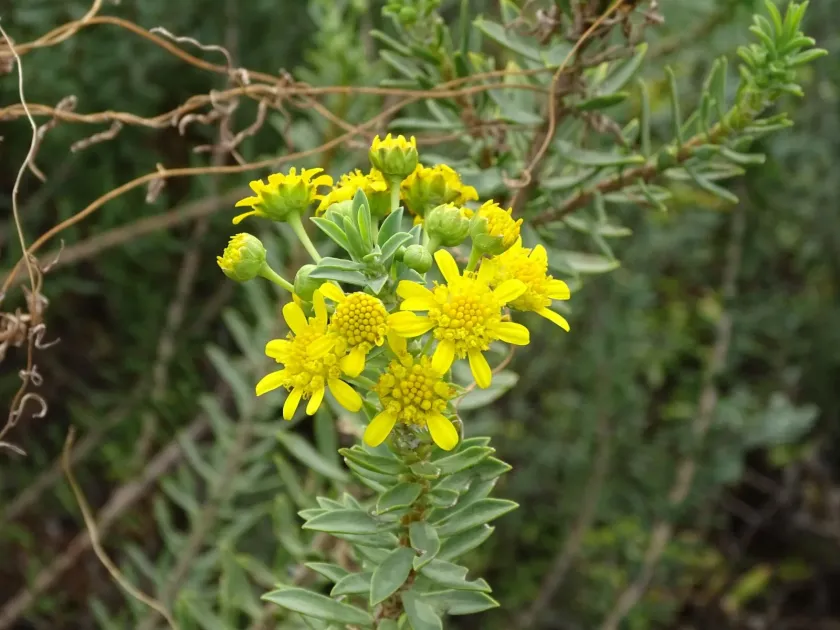
Description
Growing requirements
Euryops lateriflorus is a resilient perennial shrub belonging to the Asteraceae family. Native to the arid and rocky regions of Southern Africa, this plant has evolved to thrive in environments where water is scarce and soil quality is generally low.
The plant requires full sun exposure to maintain its compact growth habit and consistent flowering. Inadequate light conditions will cause the stems to become weak and leggy, significantly reducing the crop's vitality and market value.
Well-drained soil is a non-negotiable requirement for this species. It performs best in sandy or gravelly loam soils with a neutral pH. The root system is highly sensitive to waterlogging, making proper drainage design critical for field-scale production.
Climatic adaptability is one of the key traits of Euryops lateriflorus. It is highly drought-tolerant once established, but it lacks frost resistance. Growers in temperate zones should consider protected cultivation or container systems to prevent winter damage.
Agricultural management should focus on minimal intervention. Over-fertilization, especially with high-nitrogen compounds, is discouraged as it encourages excessive vegetative growth at the expense of floral development.
Main diseases and pests
The primary threats to Euryops lateriflorus are root pathogens caused by soil moisture saturation. Phytophthora and Pythium species can be devastating in areas with poor water management, leading to rapid plant decline.
Pest pressure is generally moderate but includes aphids and spider mites. These pests tend to target tender new growth during periods of heat stress, which can lead to leaf yellowing and stunted development.
Control strategies involve a combination of biological pest management and careful irrigation scheduling. Keeping the root zone slightly dry is often the best defense against systemic fungal infections.
Standard cultural practices include pruning away dead or diseased wood. This not only improves airflow through the center of the shrub but also removes potential habitats for pests.
For large-scale operations, utilizing drip irrigation systems is highly recommended. This method allows for precise moisture delivery directly to the root zone, keeping the foliage dry and minimizing the risk of fungal outbreaks.