
Escallonia viscosa
Escallonia viscosa
Description
Growing requirements
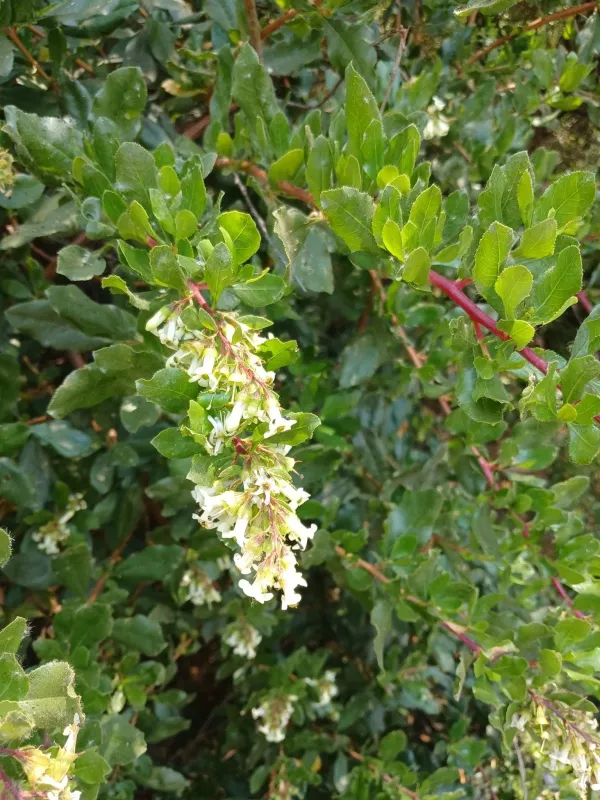
Escallonia viscosa is a notable evergreen shrub belonging to the Escalloniaceae family. Native to the diverse landscapes of South America, specifically Chile and Argentina, it is highly valued for its ornamental appeal in mild-climate gardening.
The plant thrives in sunny to partially shaded locations, provided it is shielded from harsh, drying winds. While it is hardy in many respects, it performs best when protected from extreme freezing temperatures, making it suitable for sheltered border positions.
Soil requirements are relatively specific: it demands well-draining, fertile soil with a neutral to slightly acidic pH. Incorporating organic matter during the planting process significantly improves the vigor of the shrub and ensures long-term development.
Regular maintenance involves consistent watering during the growing season, although established plants demonstrate a moderate tolerance for drier spells. Pruning is essential to maintain the desired shape and to encourage denser foliage development after flowering.
In terms of landscaping, Escallonia viscosa is frequently utilized for creating robust hedges, screens, and foundation plantings. Its ability to withstand coastal conditions and various pruning techniques makes it a versatile choice for designers.
Main diseases and pests
The primary threats include fungal diseases such as leaf spot and powdery mildew, which are often exacerbated by poor air circulation within the shrub. Maintaining proper spacing and clear pruning habits is critical for disease prevention.
Insect pests, including scale insects and aphids, may occasionally infest the plant, causing foliage yellowing or growth retardation. Integrated pest management, including horticultural oils or systemic insecticides, is recommended when populations become problematic.