
Escallonia hybrids
Escallonia hybrids
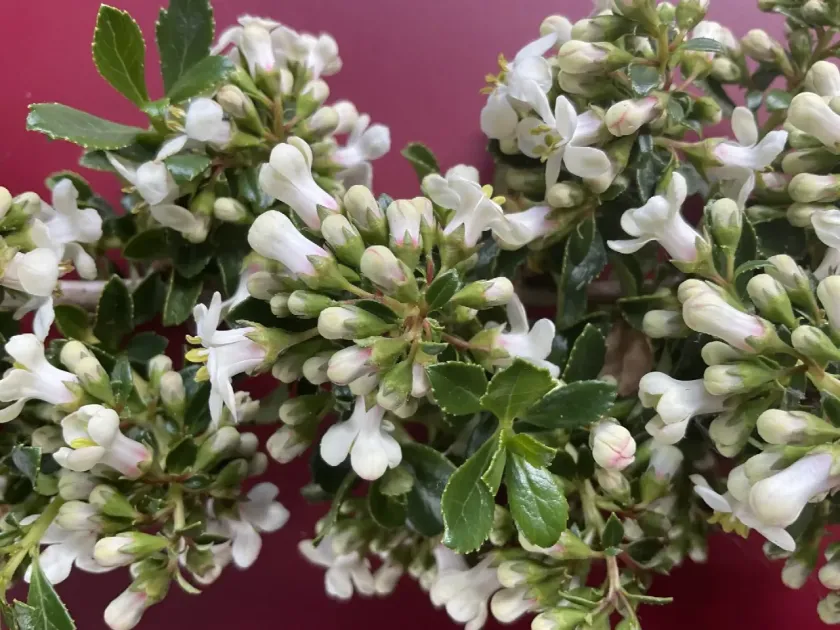
Description
Growing requirements
Escallonia hybrids belong to the Escalloniaceae family and are widely recognized for their versatility as ornamental shrubs. These hybrids are derived from various South American species, resulting in plants that offer dense foliage and attractive flower clusters.
The climate requirements for these plants are moderate; they prefer temperate zones where they are protected from extreme frost. While some hybrids are relatively hardy, most thrive best when planted in sunny, sheltered positions that receive protection from cold, drying winds.
Soil quality is crucial for the health of Escallonia; it requires fertile, well-draining soil with a neutral to slightly acidic pH. Poor drainage is the leading cause of root rot, so adding organic matter and ensuring proper soil aeration during planting is highly recommended.
General care involves a routine of spring pruning to maintain shape and promote flowering. During the growing season, consistent moisture is beneficial, though the plant shows some drought tolerance once it is fully established in the landscape.
Horticultural applications for Escallonia include the creation of dense hedging, screening, or serving as a background shrub in diverse garden borders. Its evergreen nature makes it an excellent choice for year-round structure in residential and public landscape designs.
Main diseases and pests
The most common disease affecting Escallonia is powdery mildew, particularly in humid or stagnant environments. To mitigate this risk, maintain adequate spacing between plants to ensure good airflow and use organic or chemical fungicides if symptoms appear.
Pest management should focus on monitoring for aphids and scale insects, which can weaken the shrub's vigor. Regular inspection and the use of targeted systemic insecticides or horticultural oils are typically sufficient to keep these populations under control.