
Escallonia pulverulenta
Escallonia pulverulenta
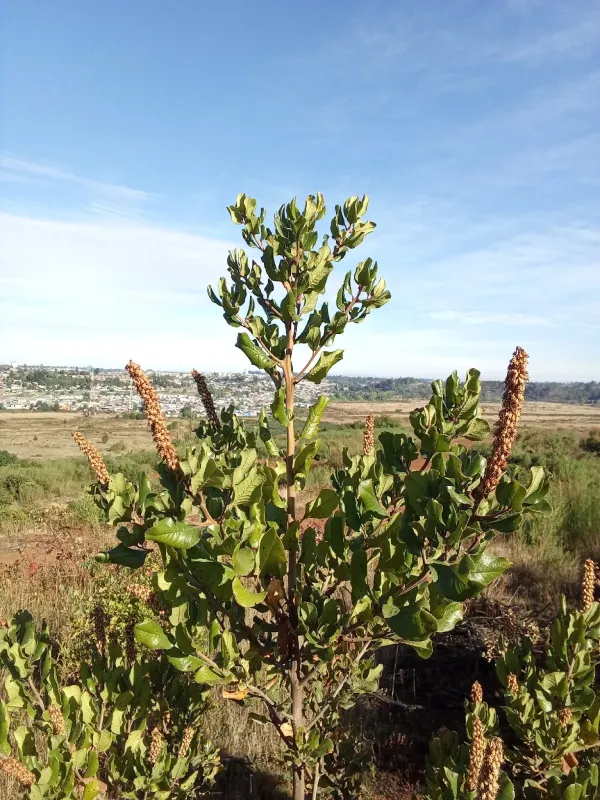
Description
Growing requirements
Escallonia pulverulenta is a species belonging to the Escalloniaceae family. Originating from the central regions of Chile, it is an evergreen shrub adapted to Mediterranean-like climatic conditions.
The plant thrives in well-drained, slightly acidic to neutral soils. It requires significant sunlight exposure for optimal development and abundant flowering, making it an excellent candidate for sunny garden borders.
Environmental conditions should mimic its native habitat, characterized by warm, dry summers and mild winters. It is sensitive to extreme frosts, necessitating protective measures or indoor shelter in colder temperate zones.
Watering management is crucial; while the plant is somewhat drought-tolerant once established, it requires consistent moisture during its initial growth phase and the peak of the summer season.
Agrotechnical practices involve regular pruning to maintain the plant's shape and encourage dense foliage. Pruning should be performed immediately after the flowering cycle to avoid cutting off future flower buds.
Main diseases and pests
The primary health risk for this species involves fungal infections such as powdery mildew, especially in environments with poor air circulation. Proper spacing between plants significantly reduces this risk.
Root rot, often caused by Phytophthora species, occurs when soil drainage is insufficient. Maintaining adequate soil aeration and avoiding waterlogged conditions are the most effective preventative strategies.
Pests such as aphids and spider mites are common threats, particularly in warm, dry weather. These insects feed on the plant's sap, which can stunt growth and distort the appearance of the foliage.
Biological and chemical control methods should be integrated to manage pest populations. Regular monitoring of the underside of leaves helps in identifying early infestations before they spread across the shrub.
Nutrient deficiencies, particularly iron chlorosis, can occur if the soil pH is too high. Supplementing the soil with chelated iron or adjusting the pH balance helps restore the vibrant green color of the leaves.