
Escallonia alpina
Escallonia alpina
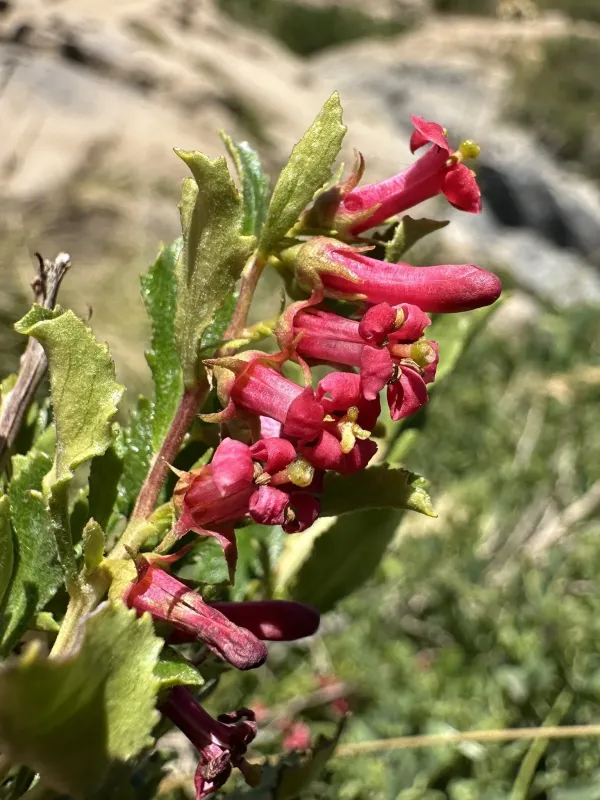
Description
Growing requirements
Escallonia alpina is an evergreen or semi-evergreen shrub belonging to the Escalloniaceae family. In the wild, this species is primarily found in the mountainous regions of Chile and Argentina, where it thrives in alpine and subalpine zones.
The plant prefers well-drained, fertile loam soils with a neutral to slightly acidic pH level. In its natural habitat, the culture is adapted to strong winds and open spaces, making it remarkably resilient to harsh weather conditions.
For successful growth, Escallonia requires adequate light, although in regions with extremely hot summers, partial shade is preferred. The shrub does not tolerate waterlogging at the roots, so quality drainage is essential when planting in heavy soils.
Climate requirements include moderate air humidity. While the species is considered quite hardy, in regions with sharp temperature fluctuations and severe frosts, mulching the root zone is necessary, as the plant is sensitive to deep soil freezing.
The primary horticultural use of Escallonia alpina is in landscape design. It is used for creating hedges, specimen plantings, or alpine rock gardens due to its compact form and profuse, attractive flowering habit.
Main diseases and pests
The main threats to the plant's health are fungal diseases that develop in high humidity, such as powdery mildew and grey mold. To prevent these, it is essential to avoid overwatering and ensure good air circulation between individual plants.
Among the pests, aphids and spider mites are the most common. These insects damage young shoots and leaves by sucking sap, which can lead to crown deformation and a general weakening of the shrub's immune system.
Regular inspection of the underside of leaves allows for early detection of pest colonies. In cases of severe infestation, the application of systemic insecticides or acaricides approved for ornamental gardening is recommended.
A crucial aspect of protection is sanitary pruning of damaged branches. Removing dry or diseased fragments of the bush reduces the risk of spreading infectious agents and promotes the rejuvenation of the plant.
Proper site selection significantly reduces the risk of diseases. Avoiding shaded, poorly ventilated areas minimizes the likelihood of fungal pathogen infection and makes the culture more resistant to various environmental stressors.