
Escallonia paniculata
Escallonia paniculata
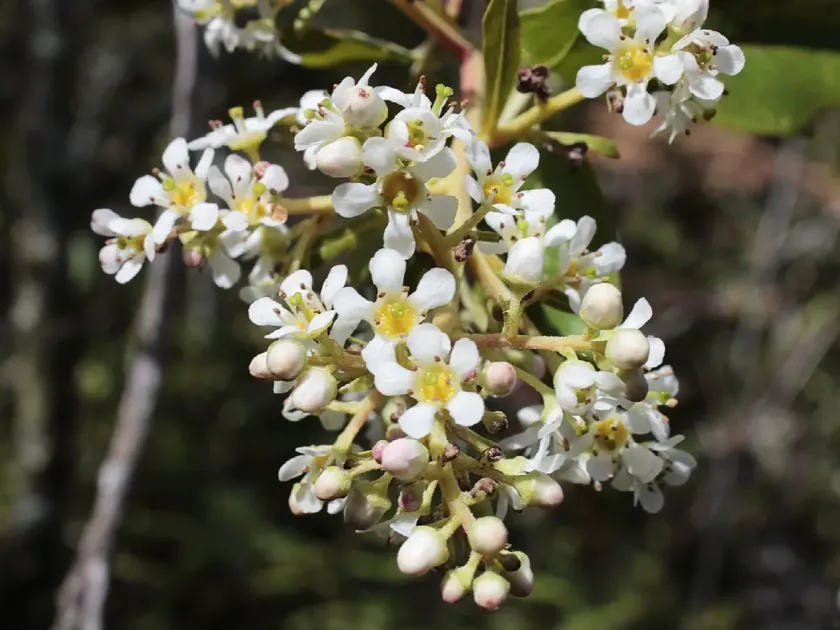
Description
Growing requirements
Escallonia paniculata is an evergreen shrub belonging to the Escalloniaceae family. Native to the mountainous regions of South America, particularly Chile, this species is highly valued for its dense foliage and persistent visual appeal in landscapes.
The plant thrives in well-drained, fertile soil with a neutral to slightly acidic pH level. Proper drainage is essential, as the roots are sensitive to waterlogging, which can quickly lead to physiological decline and fungal infections.
Sunlight exposure is a critical factor for healthy growth. Escallonia paniculata prefers full sun to light shade conditions, ideally situated in spots sheltered from harsh, cold winds that can damage the evergreen leaves during the winter months.
Agricultural management requires consistent irrigation during prolonged dry spells and the application of organic mulch around the base to conserve moisture. Pruning should be carried out after flowering to maintain the desired shape and promote bushy growth.
In landscape design, it is primarily used for ornamental hedges, screening, and as a decorative shrub for private gardens. Its ability to tolerate various environmental pressures makes it a versatile choice for professional gardeners.
Main diseases and pests
Fungal diseases, often triggered by high humidity and restricted air circulation, represent the primary threat to the vitality of the plant. Maintaining an open structure through careful pruning is a vital preventive measure.
Common pests such as aphids and spider mites can colonize the young, tender growth, necessitating regular monitoring. Early detection and the application of appropriate pest control measures are key to protecting the shrub's health.
Root rot is a major risk factor associated with poor soil management and excessive irrigation. Ensuring a well-drained planting site and following a sensible watering schedule will minimize the incidence of soil-borne pathogens.
Chlorosis and other nutrient-related issues can occur if the soil lacks essential minerals or if the pH level deviates significantly from the preferred range. Periodic soil testing and balanced fertilization help resolve these issues.
Winter hardiness is a limiting factor for this species in colder climates. In such regions, frost protection, including the use of horticultural fleece or mulch, is recommended to safeguard the plant from extreme temperatures.