
Escallonia pendula
Escallonia pendula
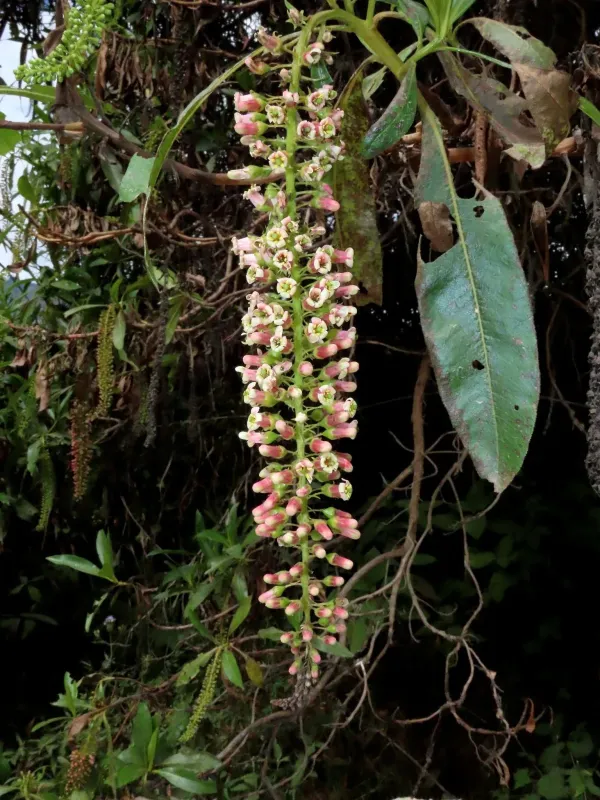
Description
Growing requirements
Escallonia pendula is a distinctive evergreen shrub belonging to the Escalloniaceae family. Originating from the mountainous regions of South America, specifically Colombia and Ecuador, it has adapted to thrive in cool, humid environments typical of these high-altitude terrains.
The plant is characterized by its elegant, pendulous branches that give it a unique weeping habit. Its foliage consists of glossy, leathery dark green leaves that retain their color year-round, making it a popular choice for permanent landscape arrangements.
For successful cultivation, Escallonia pendula requires well-draining, nutrient-rich soil. It is highly sensitive to waterlogged conditions, which can lead to root rot; therefore, incorporating sand or fine gravel into the planting site is essential for proper drainage.
Climatic requirements involve protection from harsh, drying winds and intense midday sun. While it prefers moderate temperatures, it is not fully frost-hardy and may require winter protection in colder regions to prevent damage to the tender terminal shoots.
Agronomic management includes regular watering during the growing season and periodic fertilization with a balanced, slow-release fertilizer. Pruning should be performed immediately after the flowering period to maintain the desired shape and encourage denser growth for the next season.
Main diseases and pests
Common pests affecting Escallonia pendula include aphids and spider mites, which can proliferate quickly during dry spells or if the plant is kept in an environment with poor air circulation. Infested plants often show yellowing or stunted growth.
Fungal pathogens represent a significant threat to the plant's health, with powdery mildew being the most prevalent. This disease typically appears as a white, powdery coating on the leaves and can spread rapidly if the foliage remains wet for long periods.
Root rot is a physiological condition caused by poor soil drainage. Signs include wilting despite moist soil, leaf drop, and darkened roots. Immediate intervention, such as adjusting the irrigation schedule or improving soil aeration, is required to save the plant.
Preventative measures include practicing good sanitation, such as removing fallen leaves and pruning dead wood. Proper spacing between shrubs ensures adequate ventilation, which significantly reduces the risk of fungal spores taking hold.
Integrated pest management, including the use of horticultural oils and systemic fungicides, is recommended for controlling severe infestations. Always follow label instructions for application rates to ensure the plant's safety and effectiveness of the treatment.