
Sticky Escallonia
Escallonia illinita
Description
Growing requirements
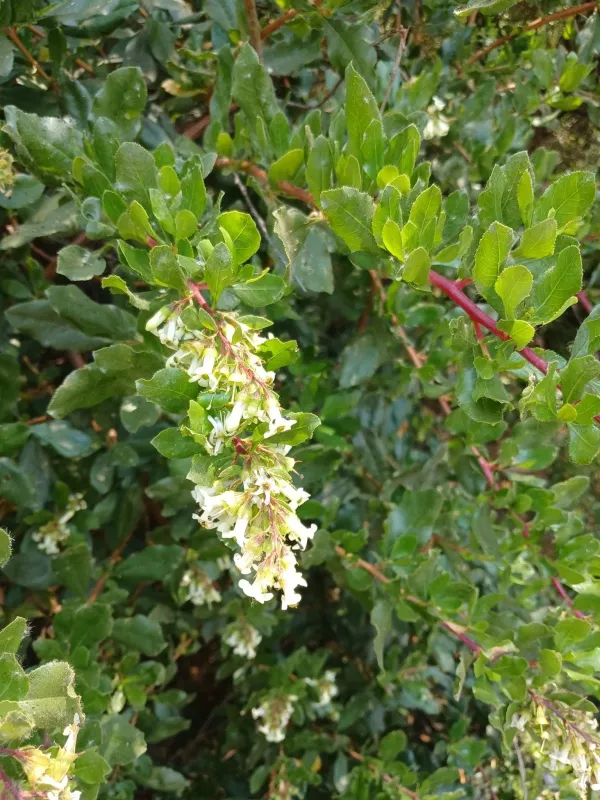
The Sticky Escallonia (Escallonia illinita) is an evergreen shrub belonging to the Escalloniaceae family. Native to Chile, this species is well-known for its sticky glandular secretions on the leaves, which give the plant its distinctive common name.
Botanically, it is a dense, upright shrub with glossy foliage and attractive tubular flowers ranging from white to pale pink. These flowers grow in dense panicles and provide a significant ornamental value during the summer months.
The plant thrives in temperate climates, requiring protection from severe frost and harsh, drying winds. It is ideally suited for coastal gardens where the maritime influence provides the necessary humidity and moderate temperatures.
Soil requirements for Escallonia illinita include well-drained, fertile soil that maintains consistent moisture without becoming waterlogged. A neutral to slightly acidic pH is considered optimal for nutrient uptake and overall vigor.
Cultivation practices involve regular pruning to maintain shape and promote flowering density. It is highly valued in landscaping for its ability to form dense hedges and its tolerance to regular shearing throughout the growing season.
Main diseases and pests
Common diseases affecting this shrub include leaf spot fungi, which are often exacerbated by poor air circulation and excessive foliage moisture. Proper spacing during planting is the primary preventative measure.
Pests such as aphids and spider mites can infest the soft new growth of the plant. Monitoring the undersides of the leaves during the early spring is essential for detecting early signs of these infestations.
Root rot is a major threat if the plant is grown in poorly draining soils. This condition is often fatal, emphasizing the importance of site selection and soil preparation before planting.
During colder months, frost damage can make the plant susceptible to secondary infections or wood-decaying fungi. Pruning away damaged or diseased tissue is crucial for plant health recovery.
Integrated pest management, including the use of horticultural oils and balanced fertilization, is recommended to keep the plant resilient against common garden threats and environmental stressors.