
Escallonia virgata
Escallonia virgata
Description
Growing requirements
Escallonia virgata is an ornamental shrub belonging to the Escalloniaceae family. Native to the mountainous regions of South America, specifically Chile and Argentina, this species has evolved to thrive in cool, humid environments with well-distributed rainfall.
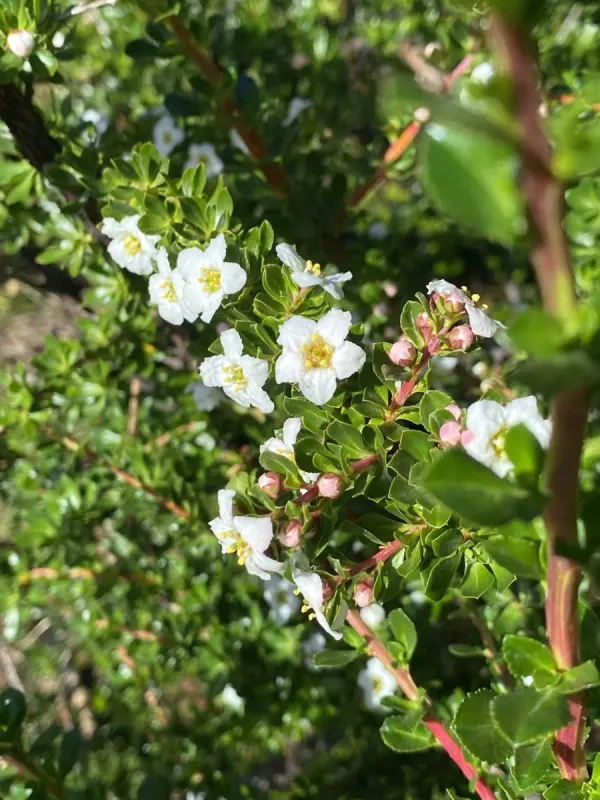
Botanically, it is characterized by its twiggy, arching branches and small, dark green serrated leaves. The plant exhibits a dense growth habit, making it an excellent candidate for formal hedges, topiary, or as a standalone ornamental shrub in private gardens.
The plant requires full sun to partial shade for optimal blooming. In terms of soil, Escallonia virgata prefers fertile, well-draining substrates with a slightly acidic to neutral pH. It is highly sensitive to waterlogged soils, which can lead to root rot and premature decline.
When considering climate requirements, this species is semi-hardy. While it can withstand moderate frosts, protection from harsh, drying winds is essential for survival in colder zones. Mulching around the base is recommended to regulate soil temperature.
In terms of practical application, Escallonia virgata is primarily utilized for aesthetic purposes in landscaping. It is highly valued for its white to pale pink blossoms that emerge in late spring or summer, providing a delicate floral display.
Main diseases and pests
Escallonia species are generally robust but may be susceptible to fungal issues such as leaf spot or powdery mildew if air circulation is poor. Proper spacing during planting is crucial to mitigate these risks.
Common pests include aphids, which often target the tender new growth during the active growing season. Integrated pest management, involving regular monitoring and the use of insecticidal soaps, is usually sufficient to maintain plant health.