
Escallonia rosea
Escallonia rosea
Description
Growing requirements
Escallonia rosea is an evergreen shrub belonging to the Escalloniaceae family. Originating from South America, specifically Chile, this species has adapted to temperate coastal environments, making it a popular choice for ornamental gardens in mild maritime climates.
The plant requires a specific climate to thrive, favoring mild winters with minimal frost. In regions where temperatures drop significantly, the plant must be provided with protection or kept in containers to ensure survival. It is particularly valued for its resistance to strong coastal winds and salt-laden air.
Regarding soil conditions, Escallonia rosea performs best in fertile, well-draining soils with a slightly acidic to neutral pH. Proper soil preparation, including adding organic matter, ensures robust root system development and promotes healthy flowering throughout the growing season.
Agrotechnical maintenance includes consistent watering, especially during the first years of establishment or during prolonged dry spells. Overwatering should be avoided at all costs, as the roots are susceptible to rot in waterlogged substrates. Regular light pruning helps maintain a desired shape and density.
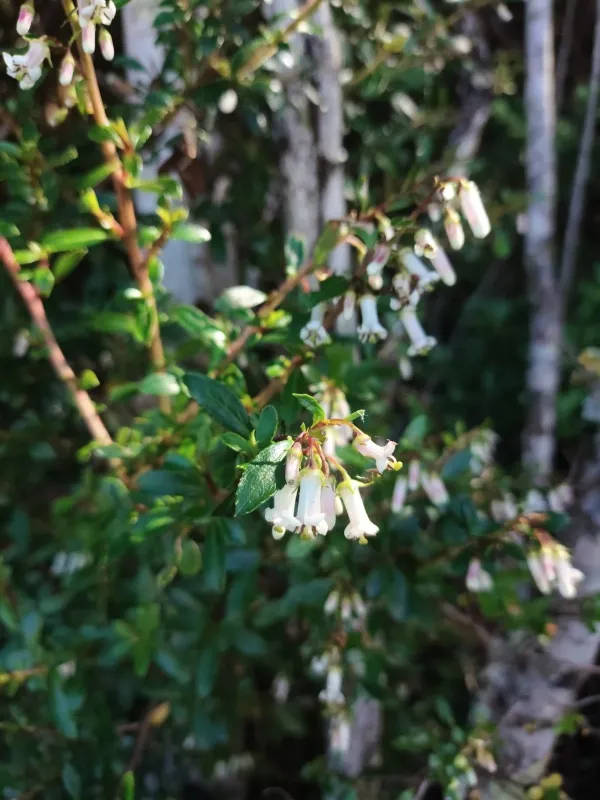
The primary horticultural use of this shrub is in landscape design, where it serves as an excellent hedging plant, border specimen, or focal point in gardens. Its ability to maintain foliage year-round and produce delicate pink blossoms provides long-lasting aesthetic appeal to outdoor spaces.
Main diseases and pests
Common pests affecting this crop include aphids and spider mites. These pests thrive in dry environments and can cause stunted growth if not managed promptly. Monitoring the undersides of leaves and applying horticultural soaps or systemic insecticides is the standard control procedure.
Fungal diseases, such as leaf spot, can impact the foliage density and overall health of the shrub, typically occurring when airflow is restricted. To mitigate these threats, gardeners should perform regular thinning cuts to improve air circulation and avoid overhead watering that keeps the foliage wet for extended periods.