
Escallonia rigida
Escallonia rigida
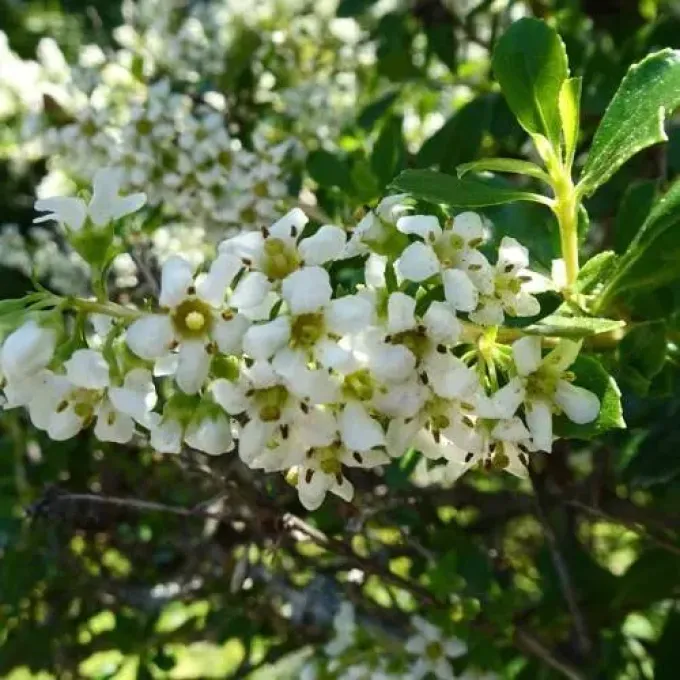
Description
Growing requirements
Escallonia rigida is an evergreen shrub belonging to the Escalloniaceae family. This species originates from the mountainous regions of South America, primarily within the landscapes of Chile and Argentina.
The plant thrives in temperate climates with moderate humidity. While it is hardy in many respects, it requires protection from severe frost and cold, drying winds, making it ideal for mild coastal or sheltered garden microclimates.
Regarding soil requirements, Escallonia rigida demands well-drained, fertile soil. It performs best in neutral to slightly acidic pH conditions, and it is crucial to avoid heavy or waterlogged soils that can cause root rot.
Good agricultural practice involves regular monitoring of moisture levels, providing supplemental watering during dry spells, and applying balanced fertilizers in early spring to support vigorous growth and blooming.
In landscaping, this shrub is utilized for its ornamental value, often serving as a focal point, a hedge, or an element in mixed borders due to its dense foliage and attractive flowers.
Main diseases and pests
The primary threats to this culture include fungal diseases such as powdery mildew and grey mold, which typically proliferate in humid environments with poor air circulation.
Common pests that affect Escallonia rigida include aphids, scale insects, and spider mites, which can drain the plant's vitality and lead to yellowing or distorted leaves.
Preventative measures include pruning for proper airflow, maintaining optimal watering schedules, and ensuring that the shrub is planted in a location that receives sufficient sunlight.
Effective pest management involves the use of environmentally conscious insecticides or systemic treatments when an infestation is detected on the stems or foliage.
By regularly inspecting the underside of the leaves and the base of the branches, gardeners can mitigate the risks of major infestations and maintain the plant's structural health.