
Escallonia revoluta
Escallonia revoluta
Description
Growing requirements
Escallonia revoluta is a robust evergreen shrub belonging to the Escalloniaceae family. Native to the diverse landscapes of Chile, this species is well-adapted to mild temperate environments and is prized for its ornamental qualities in garden settings.
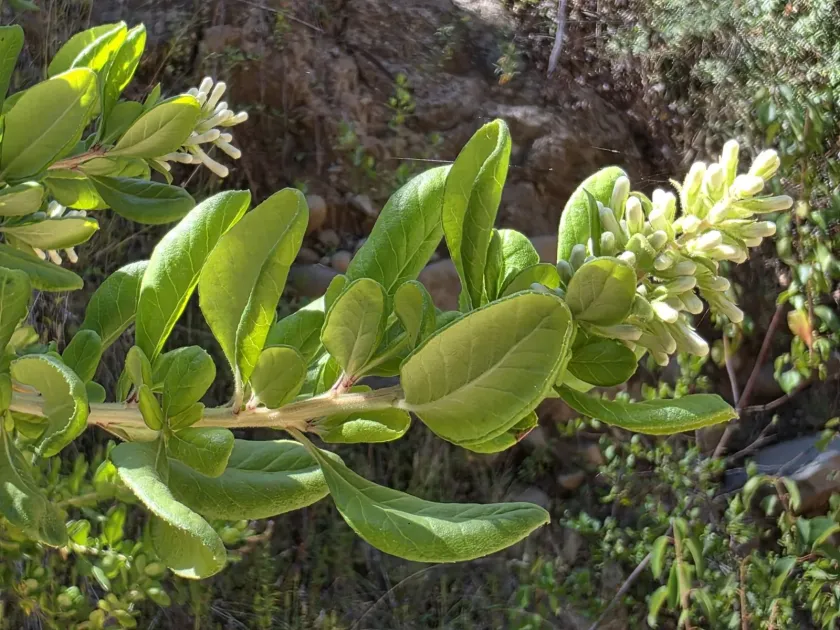
The plant is distinguished by its leathery, serrated leaves with revolute (rolled-back) margins, providing it with a unique textural appearance. It produces terminal panicles of fragrant, cream-white flowers that create a visually striking effect during the blooming season.
Success in cultivation requires well-draining, nutrient-rich soil that is slightly acidic to neutral in pH. The root system is sensitive to waterlogging, making it essential to avoid sites prone to flooding or where heavy clay prevents proper drainage.
Climate requirements for this species include moderate temperatures and protection from harsh, drying winds. While it is hardy in many respects, it thrives best in sheltered positions, such as south-facing walls or protected corners in temperate maritime climates.
In terms of practical use, Escallonia revoluta serves as an excellent candidate for hedging, screening, or mixed shrub borders. Its ability to tolerate pruning makes it a versatile choice for formal garden structures and as a backdrop for perennial flowers.
Main diseases and pests
Fungal issues, particularly leaf spot and powdery mildew, represent the primary health threats to the plant, especially in high-humidity conditions. Maintaining airflow through regular thinning of branches is a critical cultural practice to mitigate these risks.
Common garden pests such as aphids and spider mites can infest the soft terminal growth during the spring months. Integrated pest management strategies, including the use of horticultural soaps or natural predators, are recommended to maintain plant vigor.
Root rot, caused by Phytophthora species, is a serious concern if the soil does not provide adequate drainage. Once the root system is compromised, recovery is difficult, so prevention through proper site selection and watering management is paramount.
Nutrient deficiencies often manifest as chlorosis, where leaves turn yellow due to the inability to uptake iron or manganese. Applying chelated micronutrients and ensuring organic matter is incorporated into the soil can correct these issues effectively.
Environmental stress, such as unseasonal late frosts, can damage new vegetative growth. While the plant can often regenerate, covering young specimens with protective fabric during extreme cold snaps is advisable for regions near the edge of its hardiness zone.